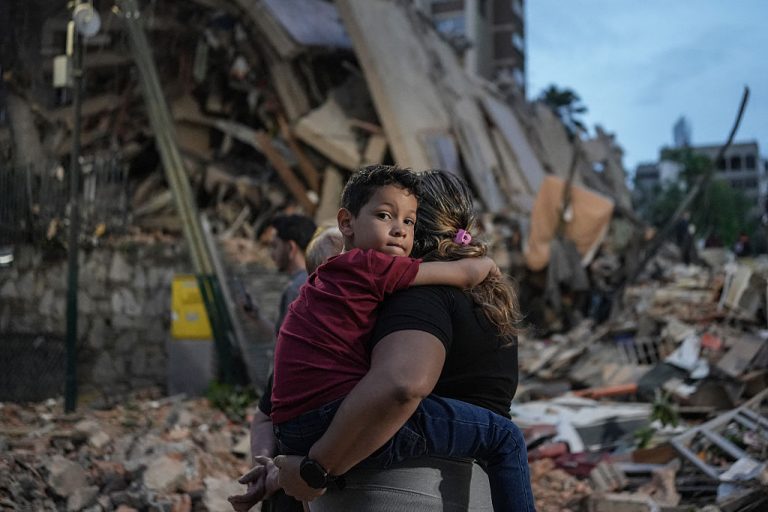
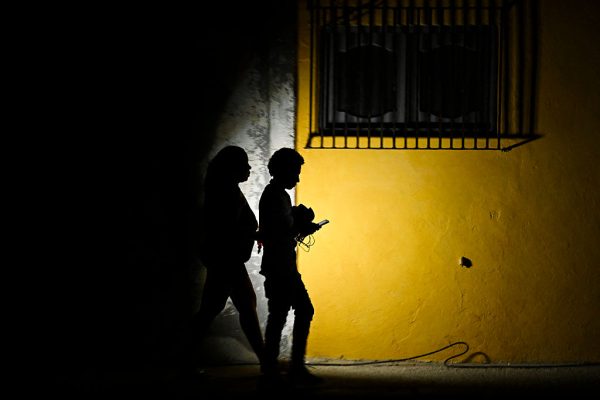
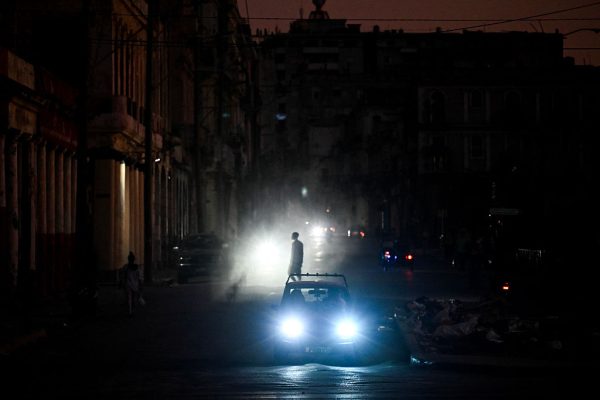
Cuba’s national power grid suffered a complete collapse on Monday, March 16, causing widespread blackouts across the country and affecting about 10 million people.
Cuba’s National Electric Union (UNE) said the country’s electrical system experienced a “complete disconnection.” Authorities are investigating the cause of the incident and have launched emergency measures to restore power.
According to reports from Reuters and CBS News, this is the latest in a series of large-scale blackouts in Cuba in recent months. In recent times, outages have often lasted for hours or even days. Just over a week ago, a major blackout also occurred in western Cuba, leaving millions without electricity.
At nearly the same time in 2025, western Cuba experienced a similar incident. Frequent grid collapses have become a typical symptom of the country’s ongoing energy crisis.
The blackouts have also sparked public discontent. Videos circulating on social media recently showed residents in Havana and other cities banging pots and pans in protest. This traditional form of protest, known as a “cacerolazo,” reflects public frustration over long-term power outages, food shortages, and deteriorating living conditions.
Success
You are now signed up for our newsletter
Success
Check your email to complete sign up
In fact, anti-government demonstrations have erupted in Cuba in 2021, 2022, and 2024, all linked to power outages and economic hardship.
Energy shortages are widely believed to be the key reason for the latest grid collapse. Cuban President Miguel Díaz‑Canel said last Friday that Cuba has not received any oil shipments for more than three months. At present, the national power system can only rely on solar power, natural gas, and thermoelectric plants to maintain operations, but these energy sources are far from sufficient to meet demand. Due to power and energy shortages, the government has even been forced to postpone tens of thousands of patient surgeries.
For a long time, Cuba has relied heavily on oil supplied by allied countries, including Mexico, Russia, and Venezuela. However, the situation changed dramatically in January this year, when the United States arrested former Venezuelan president Nicolás Maduro. Shortly afterward, U.S. President Donald Trump cut off Venezuelan oil shipments to Cuba and warned that tariffs would be imposed on any country selling oil to the island. This move further squeezed the already aging Cuban power system.
Although Cuba can produce about 40 percent of the oil it needs domestically for electricity generation, its aging grid infrastructure means this supply is still far from enough to meet national demand.
From the perspective of energy supply, Cuba is now nearly out of fuel. According to vessel-tracking data from LSEG, Cuba has received only two relatively small fuel shipments this year.
The first tanker arrived at Havana Port from Mexico in January and unloaded fuel. The second vessel came from Jamaica in February, delivering liquefied petroleum gas used for cooking.
Meanwhile, Venezuela—once a long-term energy supplier to Cuba—has not delivered any fuel to the island this year. Venezuela’s state oil company PDVSA loaded gasoline onto a tanker last month. The vessel had frequently transported fuel to Cuba in the past, but according to shipping documents and tanker-tracking data, it remains in Venezuelan waters and has not departed.
Satellite monitoring data also shows that Cuba’s main energy ports have seen almost no large fuel imports this year. Satellite images analyzed by TankerTrackers.com show that Matanzas Port and Moa Port, which normally receive crude oil for refining and fuel oil for power generation, have not received any large energy transport ships this year.
In addition, Havana Port and Cienfuegos Port have seen no fuel import activity for more than a month, indicating that Cuba’s energy supply faces a serious risk of disruption.
Facing the worsening crisis, the Cuban government has begun seeking a diplomatic breakthrough. Díaz-Canel confirmed last Friday that Cuba has begun talks with the United States in hopes of easing the current situation. Trump has repeatedly said in recent days that Cuba is on the “edge of collapse,” adding that the Cuban side is eager to reach an agreement with the United States.
Earlier this year, a U.S. official told CBS News that the Trump administration’s goal is not to trigger the collapse of the Cuban government, but rather to negotiate with Havana to encourage Cuba to gradually move away from its existing authoritarian communist system.
By Gao Yun