It’s no news that alcohol, drugs and excess sugar are harmful to our health, but even if you don’t have any of these vices, you may still be unwittingly cutting years off your lifespan just by conforming to the conditions characteristic of a modern lifestyle.
Excessive sitting
100 years ago, people used their muscles regularly. They supported themselves with manual labor, moved around without cars, and leisure time was social and active. Today, people might go to the gym for a workout, and then sit for the rest of the day. This is a sedentary lifestyle.
If you sit for extended periods at work, during a commute, or watching TV, then — even if you exercise for an hour each morning — you’re probably not giving your muscles the continuous activity they need to efficiently remove glucose from your bloodstream.
This can affect how your body handles sugar, which explains why sedentary behavior is linked with an increase in cardiovascular mortality.

While our grandparents naturally filled their days with activity, today this comes with a special label. Non-exercise activity thermogenesis (NEAT) is a term for the calories burned through normal, everyday activities rather than formal exercise. Besides burning calories, it keeps your muscles active.
Success
You are now signed up for our newsletter
Success
Check your email to complete sign up
Dishwashers, washing machines, robotic vacuum cleaners and lawnbots may save time, but they have robbed us of an opportunity for useful movement. Online shopping, food delivery, and electronic home entertainment likewise keep us comfortably stationary, and increasingly tech-dependent employment ties us to the computer. What’s to be done?
Prioritize your health, and make a point of introducing movement into your daily routine. While it might not be feasible to adopt a more traditional lifestyle, you can try some of the following:
- Set a timer to schedule regular breaks to stand up, walk or stretch.
- Choose active hobbies like gardening, birding, or biking.
- Maintain good posture when you sit. This engages the core, back, and shoulder muscles, contributing to strength and tone.
- Arrange for a standing desk at work, which encourages more frequent movement than a chair.
- Opt for the most active form of transportation within reason.
Ultraprocessed diet
Unless you eat directly from a farm or garden, most of the food you consume is processed to some degree, and that is perfectly normal. In recent years, however, it has become all-too-apparent that not all processed foods are created equal.
The phenomenon of ultraprocessed foods began as early as 1886, with the introduction of Coca Cola. Oreos came in 1912, Velveeta in 1918, and SPAM in 1937. Foods were produced, not to nourish — or even satisfy — but to appeal to our weaknesses. Quick, convenient, flavorful and cheap, the trend towards ultraprocessed foods spiraled out of control to the point that an astonishing 70 percent of the foods on the market today are ultraprocessed.
Definitions may vary, but ultraprocessed foods are basically so far from the original, natural product that they can hardly be considered “food.” In 2025, US Secretary of Health Robert F. Kennedy Jr. went so far as to label them “poison.”
This category extends beyond what you would normally consider “junk food.” It includes juices and teas with added sugar, processed meat, packaged pastry items, frozen dinners, microwave meals and many protein bars.

Laden with unhealthy ingredients but next-to-nothing nutritious, ultraprocessed foods are linked with obesity, metabolic dysfunction, cardiovascular disease and higher all-cause mortality. The problem is compounded when you consider how (intentionally) easy it is to overconsume them.
Be kind to your body and make a shift toward more wholesome, natural foods. Start small, making simple swaps one at a time and you will gradually achieve your goal.
Low fiber intake
If you are in the habit of consuming ultraprocessed foods, you are probably not getting enough fiber. In fact, less than five percent of Americans get the recommended minimum of 25 (for women) to 30 (for men) grams of fiber per day, with many not even achieving half that.
Sufficient fiber is not only important for keeping you regular, it helps reduce the risk of cardiovascular disease, type 2 diabetes, and several cancers.
To give you an idea what 25 grams of fiber looks like, most “high-fiber” foods contain around 4-6 grams of fiber per serving.
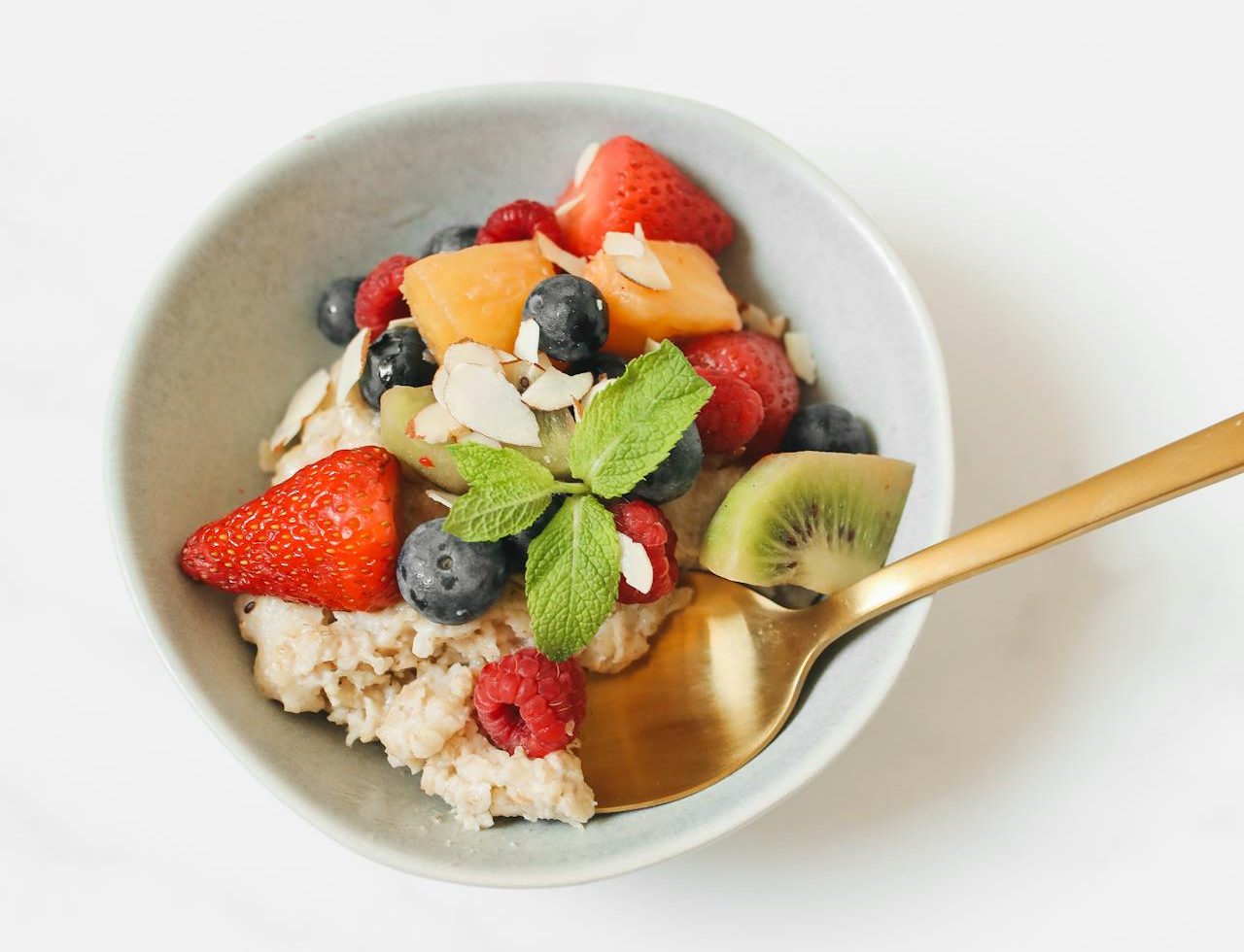
So if you ate one apple, a handful of almonds and oatmeal for breakfast, that would be about 12 grams of fiber. One whole-grain tortilla with a half cup of cooked beans and half an avocado would give you another 15 grams of fiber. That’s over 25 grams of fiber in just two simple meals, so it is actually very achievable.
The problem is we tend to focus on protein (usually animal protein — which has no fiber) and serve it with processed carbs (like bread, pasta, and white rice — which also lack fiber). Get more fruits, vegetables, legumes, nuts, seeds and whole grains into your diet and you might add years to your life!
Sleep deficiency
The average adult needs at least seven hours of sleep each night. With our hectic schedules people often think of sleep as simple down time, but it is actually a very important metabolic activity — it is when your body kicks into repair-and-maintenance mode.
Insufficient sleep not only limits this critical function, research shows that it also significantly reduces your sensitivity to insulin — thereby disrupting blood sugar control through multiple pathways. This interferes with your appetite hormones — reducing leptin (which signals fullness) and increasing ghrelin (which prompts hunger). So you find yourself craving more calorie dense foods, but your body processes them less efficiently.
You’ve surely noticed that sleep deprivation impairs cognitive function, but did you realize it also increases inflammation, elevates cortisol and weakens immune response? Dr. Alex Wibberly, through his work in emergency medicine, noted that individuals with chronic sleep deprivation showed accelerated rates of metabolic and cardiovascular disease.
According to the Centers for Disease Control (CDC), about one third of American adults reported not getting enough rest or sleep every day, and an estimated 50 to 70 million Americans have chronic, or ongoing, sleep disorders.

If your sleep schedule is not ideal, do what you can to change it. If that is impossible, at least take measures to improve the sleep that you do get. Protect your sleep environment by keeping it dark, cool, and free from distractions. Treat yourself to a good pillow and a comfortable bed. Avoid screen time for at least one hour before bed.
Another thing worth considering is meditation. Various studies reveal that meditation can not only improve your quality of sleep, but also reduce your need for sleep — win win!
Chronic stress
Compared with our ancestors, who experienced intensely stressful events with relief in between, we are constantly bombarded with low-grade stress. Changes in technology, a fast-paced lifestyle, financial pressure and social media all contribute to chronic stress, which seriously impacts our health.
Stress releases cortisol, which is protective in short bursts — it helps us think fast and take action. But when cortisol remains elevated, the body reacts with an increase in blood pressure, increased blood sugar, suppressed immune function and systemic inflammation.
Systemic inflammation is not just uncomfortable, it is a major contributor to almost every major chronic disease.
The hard truth is that stress is a prevalent factor of modern life. Gallup’s 2023 Global Emotions Report found that 49 percent of Americans experience significant stress on a daily basis. According to the CDC, 70 percent of American adults experience stress that affects their mental health. It is almost impossible to avoid stress in our contemporary setting, so you need to be able to deal with it.
- Open communication is a great stress reliever. Talking to a supportive person that you trust triggers the release of oxytocin and activates the parasympathetic nervous system, both of which help reduce stress and promote relaxation.
- Regular physical exercise helps reduce stress by releasing endorphins and promoting better rest.
- Engaging in hobbies or activities that bring joy and fulfillment provides a break from stressors and promotes emotional well-being.
- Again, meditation is a classic tool for stress management. Research shows that regular practice can reduce the size of the amygdala, the primary stress-response center in your brain.