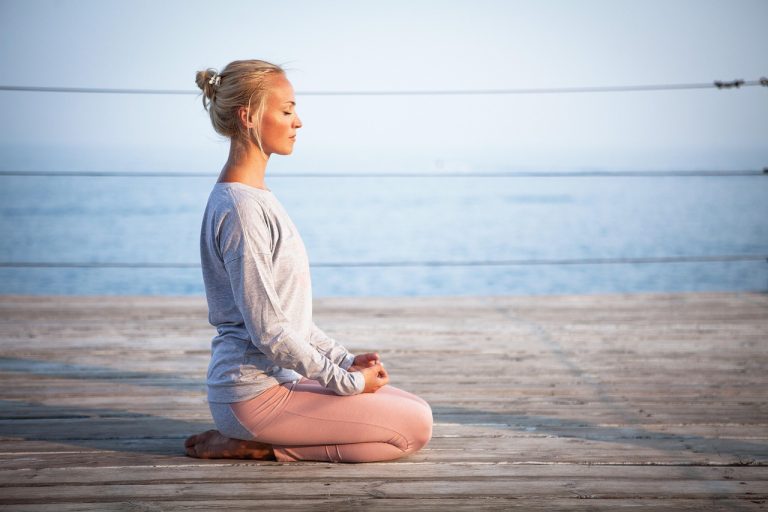
Meditation may be the most underrated tool for promoting health and well-being. With no need for special equipment or expensive training, this ancient practice, widely adopted among spiritual circles, is readily accessible to everyone. Almost anywhere and at any time, you can sit down and soak up a surprising array of science-backed benefits.
Reduced stress

The most readily-recognized reason for meditation is the reduction of stress — which, according to the Centers for Disease Control (CDC), is linked to about 90% of all illnesses. In today’s fast-paced world with hectic schedules and information overload, stress levels are soaring and we forget how to relax.
Zoning out in front of the TV may give your body a break, but the intense visual stimulation continues to tax the brain, keeping it busy collecting information.
The human mind needs regular periods of rest to process information, generate ideas, and store memories to make room for new information. This all happens in the “alpha state” — when the mind is relaxed — perhaps during some light exercise, lying down, or sitting in meditation. While all of these techniques can help reduce immediate stress, meditation can offer long-term benefits.
Closing your eyes in meditation not only relaxes the muscles and organs, studies at Harvard University reveal that the continued practice gradually reduces the size of the brain’s amygdala (the area responsible for stress-response). This changes and improves how we react to stress triggers.
Improved sleep
Success
You are now signed up for our newsletter
Success
Check your email to complete sign up
Like our brains, our bodies need periods of rest in order to refresh and rejuvenate. Important healing and immune responses take place during sleep, yet many Americans (about 33 percent of adults and 46 percent of young adults) do not get enough of it. Whether we are tossing and turning with worry, or staying up late under pressure, stress is a major factor when it comes to loss of sleep.
By reducing stress, meditation can naturally improve sleep; but there is more to it than that. One study, comparing the effects of sleep education and meditation on two groups of people, showed that those who participated in mindfulness meditation experienced a greater reduction in insomnia, fatigue and depression after six weeks of just one session per week.
Experienced meditators may even experience a reduced need for sleep. Elevated levels of melatonin and serotonin found in long-term meditators may significantly improve their quality of sleep, thus accomplishing all the necessary objectives in a shorter amount of time.
Improved physical health
With better sleep and less stress, one would naturally expect some physical health benefits from meditation, and they can be considerable.
- Scientific research has revealed an increase in the activity of natural killer cells with meditation, boosting immunity and resilience against viral attacks and cancer.
- Meditation signals the brain to slow the heart rate, reduce stress hormones and relax the nervous system — not only calming the body but potentially lowering blood pressure and improving cardiovascular health.
- With improved sleep from regular meditation, energy levels become more stable. This can contribute to a sense of well-being that facilitates maintaining a healthy lifestyle.
- Studies show that meditation can also help with pain management by altering one’s perception of pain. Individuals suffering from conditions like arthritis, fibromyalgia and migraines may experience a reduction in chronic pain.
Enhanced emotional balance
Regular meditation can help one recognize, regulate, and express emotions in a healthy and balanced way. Emotional balance helps one transition from ineffective, impulsive reactions to calm and thoughtful responses instead.
By lowering the level of stress hormones, meditation can also reduce symptoms of anxiety and depression. Studies have found mindfulness meditation can be equally or more effective than antidepressant medications.
Meditation takes it a step further, promoting a positive mindset. As stress and anxiety dissipate, gratitude, compassion, and forgiveness take their place, giving you an optimistic outlook on life.
Mental clarity

For thousands of years, monks have sought clarity and enlightenment through meditation. Can it do the same for you? Researchers at Harvard and Columbia Universities discovered that meditation can improve attention span, concentration, focus, and memory by influencing the structure and function of the brain.
With regular meditation, the prefrontal cortex (responsible for attention, decision-making and problem-solving) grows thicker, strengthening the ability to focus and maintain focus for longer periods.
At the same time, the connection between the default mode network (DMN) (responsible for mind wandering and random thoughts) and the prefrontal cortex is strengthened. This helps reduce mind-wandering and further improves focus.
Meditation also activates the hippocampus (associated with cognitive flexibility, learning and memory), to enhance cognitive functions like learning capacity and retention.
By improving mental clarity, meditation can help us be more creative, productive, and present in our daily lives.
Strengthened relationships
Finally, a consistent meditation practice can help strengthen and harmonize all your relationships. As we become more aware of our own thoughts and emotions, we gain a better understanding of ourselves and begin to let go of negative habits and tendencies — a big step toward improving the all-important relationship with ourselves.
When we become more understanding and accepting of ourselves, this naturally extends to others. We become calmer, more caring, and more rational people who are much easier to get along with; and when we allow others to be who they are without judging or projecting our contrived expectations on them, they will feel safe to open up and invest in a stronger relationship.
Tips to successful meditation
Maybe you’ve considered meditation, but don’t know where to begin. These tips will help you get started:
- Find a quiet and tidy environment that promises few distractions.
- Choose a time that will be convenient on a regular basis.
- Soothing music or nature-sounds can help with relaxation and reduce distraction.
- Start small, with just five or ten minutes so you don’t get discouraged. Work your way up to longer periods.
- Sit quietly, experiencing the stillness and observing your thoughts and feelings with an open mind.
- Strive to be consistent. Even if you miss some days, forgive yourself and continue. Eventually, the practice will become a powerful tool to transform your life.