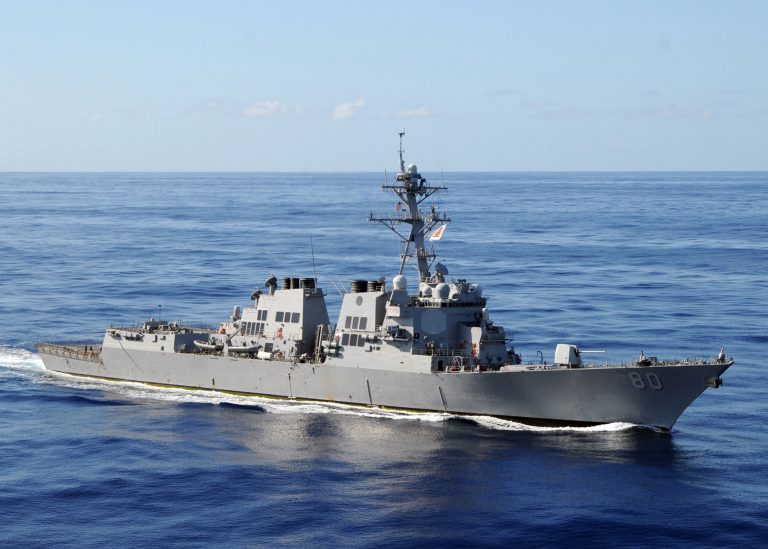
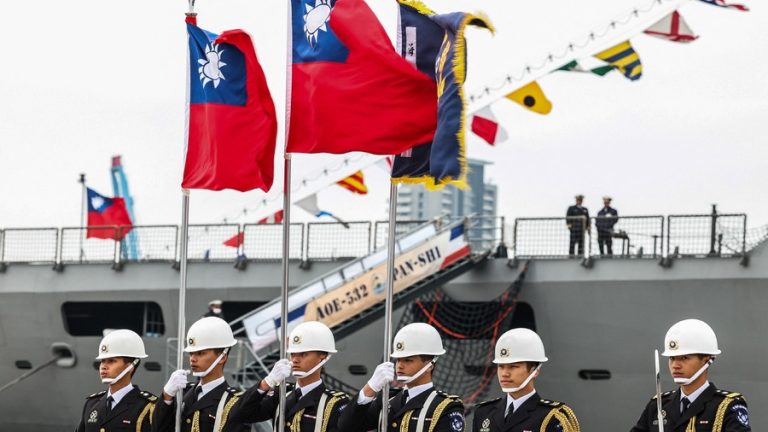
According to a report on April 10 by EuroNews, U.S. President Donald Trump told NATO Secretary-General Mark Rutte during their meeting that NATO allies must urgently propose a plan to resolve the crisis in the Strait of Hormuz and work to reopen the key waterway within “days.”
The report noted that potential proposals could include deploying warships and military personnel to the region, although some European allies remain cautious about direct military involvement.
Rutte visit to Washington: Strait crisis a central issue
Rutte is currently in Washington for a three-day visit, during which he met with Trump, U.S. Secretary of State Marco Rubio, and Defense Secretary Pete Hegseth.
The talks focused on the conflicts involving the United States, Israel, and Iran, as well as disruptions to navigation in the Strait of Hormuz. Rutte later briefed multiple countries on Trump’s position, saying he was “very disappointed” that allies had not yet put forward concrete proposals.
A NATO spokesperson also confirmed to EuroNews that the U.S. is demanding clear commitments from allies to “ensure freedom of navigation” and take action.
Success
You are now signed up for our newsletter
Success
Check your email to complete sign up
Citing multiple sources, EuroNews reported that the United Kingdom, Germany, France, Spain, Finland, and Norway have previously leaned against deploying military forces directly, arguing that military action should not escalate the conflict while it is still ongoing.
Meanwhile, Trump criticized allies on social media, saying they are “inactive without pressure” and insisting that he expects a concrete plan within “days.”
According to sources close to the discussions, failure by allies to respond proactively could affect broader collective security arrangements.
NATO rifts deepen, transatlantic relations tested
A report by Al Jazeera on April 10 said that the disagreement over the Strait of Hormuz crisis has further exposed long-standing structural fractures within NATO.
The report argued that U.S. dissatisfaction with allies not participating in actions related to Iran has placed unprecedented pressure on transatlantic relations, with some analysts calling it a “transatlantic stress test.”
German Chancellor Friedrich Merz described the current situation as a “transatlantic tension test,” highlighting deteriorating trust among allies.
Although a formal U.S. withdrawal from NATO is unlikely in the short term, the report noted that Washington could still weaken the alliance’s practical functioning by adjusting troop deployments, reducing coordination mechanisms, or relocating overseas bases.
It also pointed out that Europe remains highly dependent on the U.S. in intelligence, long-range strike capabilities, space assets, and air defense systems—meaning full replacement would take years or even longer.
However, some analysts argue that even with declining U.S. influence, NATO could continue in a “European-led form,” though its structure and functions would fundamentally change.