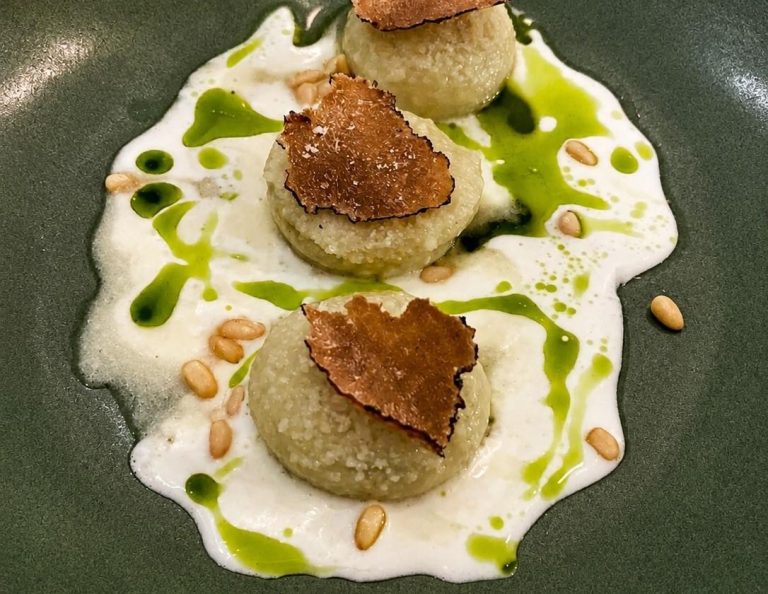
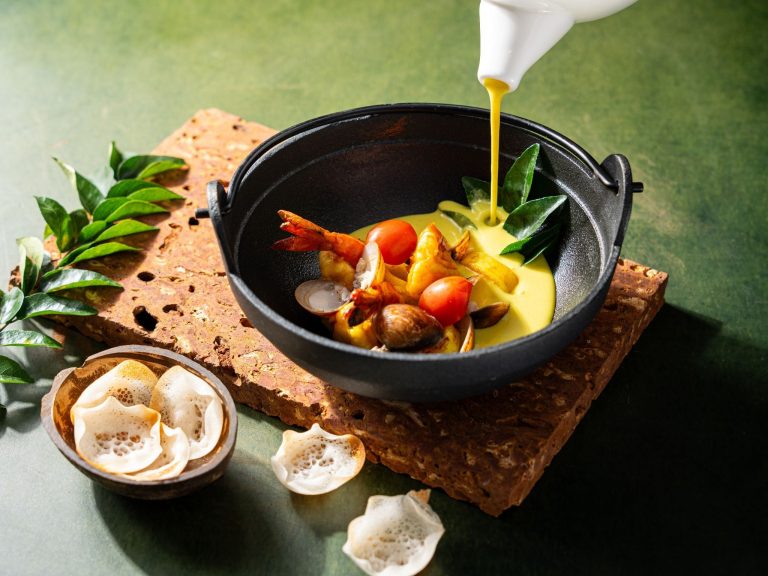
Idlis hold a special place in South Indian cuisine. Just the mention of these small, round, spongy rice cakes can tempt any Indian — no matter how full they are. That is the magic of idlis.
The unforgettable flavor, and soft, spongy texture lingers on the palate, leaving idli lovers of all ages savoring the simple fare. For South Indians, it is a common breakfast dish, but this nutritious staple is welcome at any meal.
The origins of idli

The history of idli dates back over a thousand years. One might assume that idlis originated in India, but that is not necessarily the case.
Chinese Buddhist monk, Xuan Zang, noted in the 7th century that Indians lacked the knowledge and equipment for steaming food. Some food historians suggest that the steaming technique was introduced through trade and cultural interactions with Southeast Asia or Indonesia.
Between the 7th and 12th centuries, Hindu kings who ruled parts of Indonesia often traveled to India, accompanied by their chefs. These chefs are believed to have brought along the Indonesian dish Kedlis, which likely influenced the modern preparation method of idlis.
Success
You are now signed up for our newsletter
Success
Check your email to complete sign up
While considered an exotic dish in most countries, idli has become popular around the world — partly due to its unique texture and flavor achieved through fermentation; partly for its excellent nutritional profile that happens to be gluten-free and low in calories and fat; and partly because it is easy and inexpensive to prepare.
How to prepare idli
Idli is made from rice, lentils (urad dal) and water. The batter is allowed to ferment (rise naturally), which yields the sponge-like texture. To achieve the right batter consistency, you need a precise ratio of rice to urad dal.
Ingredients:
- Rice – 4 cups
- Urad dal – 1 cup
- Fenugreek seeds – 1 teaspoon (optional)
- Water – as needed
- Salt – to taste
Instructions:
1. Soak the ingredients – Soak the rice and lentils in water separately for about 6 hours. Fenugreek seeds can be soaked with the lentils to help fermentation
2. Make the batter – Drain the lentils and grind to a smooth paste with a little water. Then drain the rice and grind to a slightly-more-coarse paste. Mix them together in a bowl.
3. Ferment the batter – Cover the bowl with a clean towel and allow the batter to ferment overnight (or 8–12 hours), during which it will rise and become fluffy.
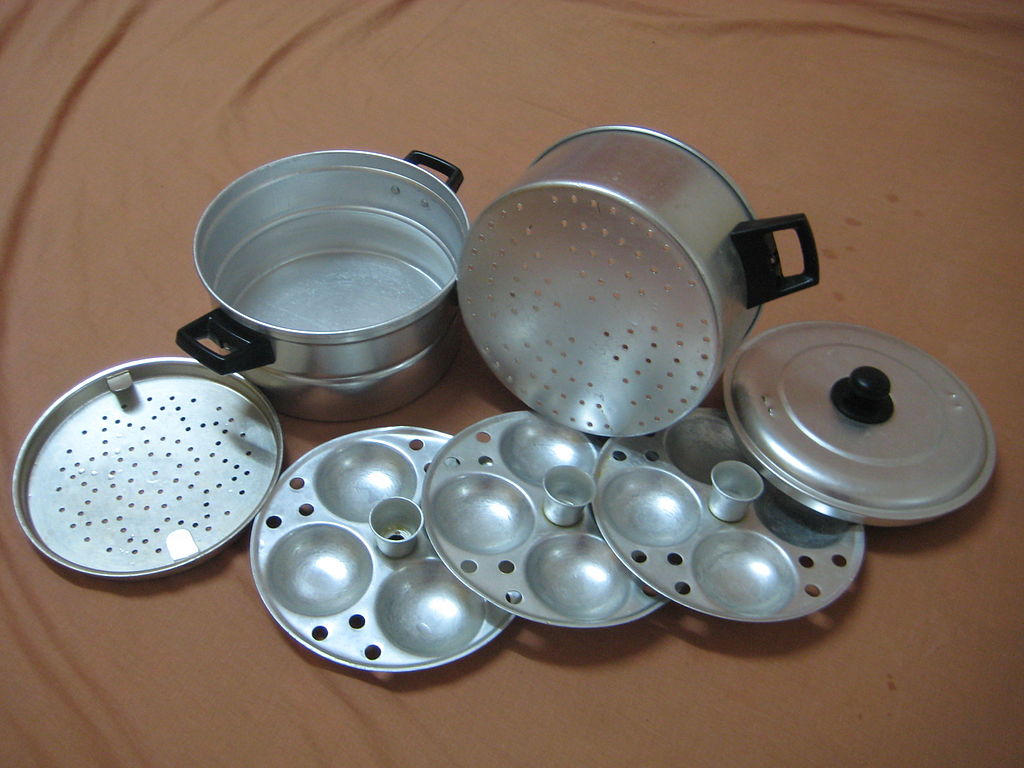
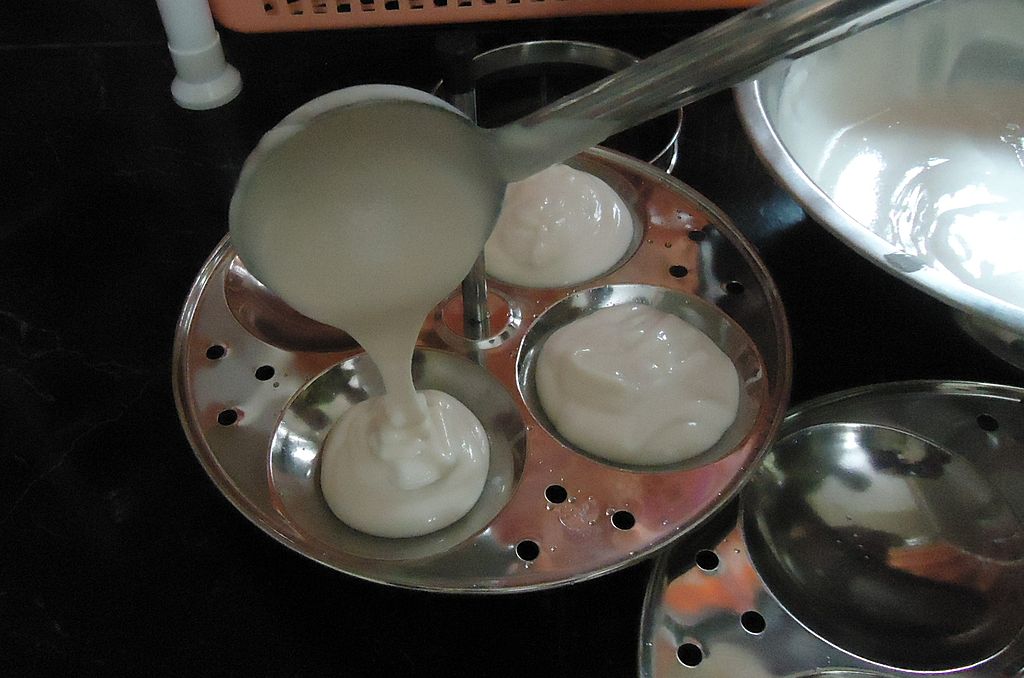
4. Steam the idlis – Pour the fermented batter into idli molds and steam them for 10–15 minutes. When ready, the idlis will have a spongy texture.
Tasty side dishes for idli
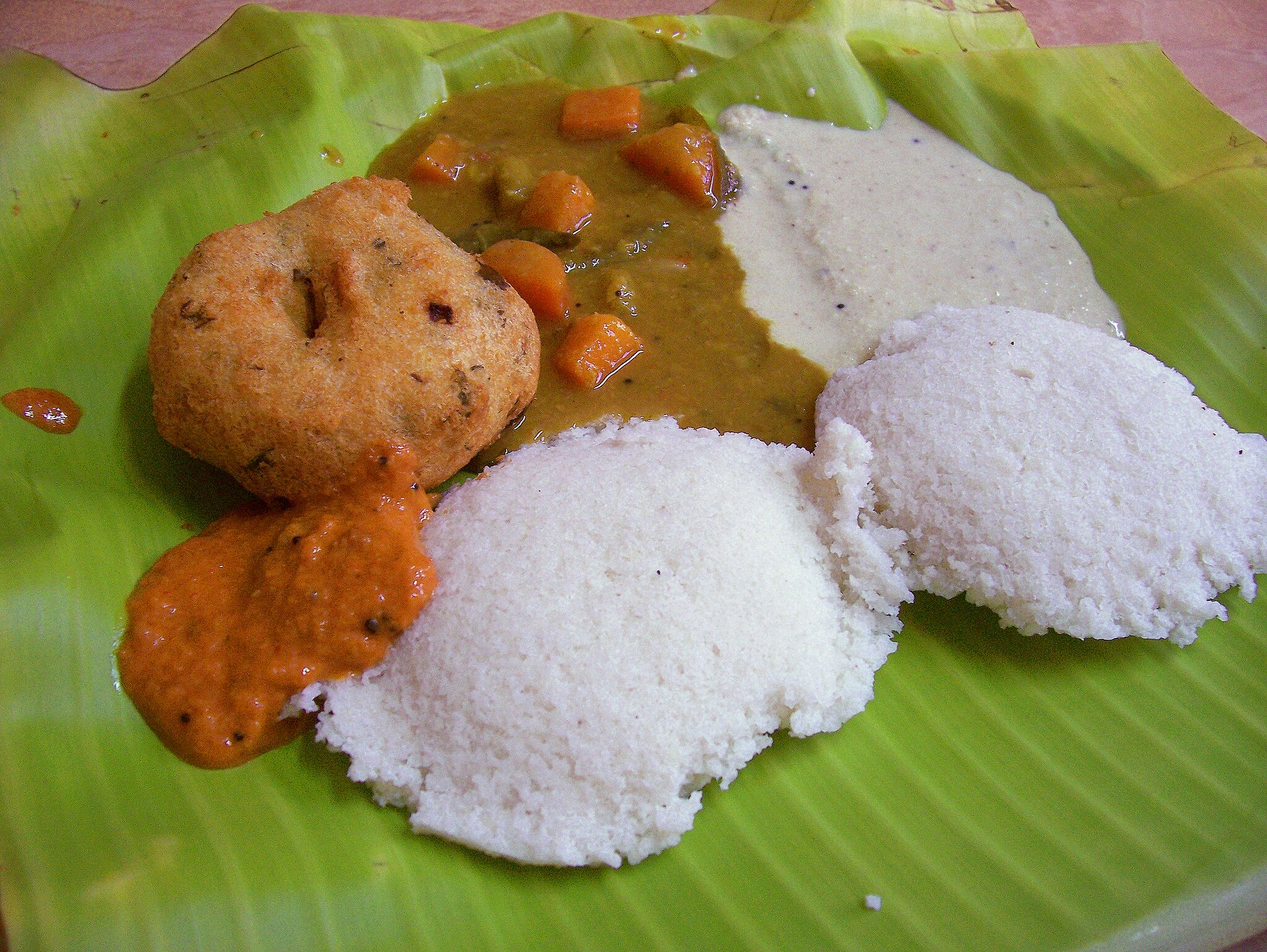
Idli is often served with flavorful stews or sauces, which are quickly soaked up for a satisfying meal. Some popular companion dishes are:
- Coconut chutney – Made with grated coconut, green chilies, and a little tempering of mustard seeds and curry leaves.
- Tomato chutney – A spicy chutney made with tomatoes, onions, and red chilies.
- Sambar – A tasty stew made with lentils, vegetables, tamarind, and spices.
- Idli podi – A dry, spicy powder made from lentils and red chilies. It is mixed with ghee or oil and enjoyed with idli.
- Yogurt – Idli can also be eaten with plain yogurt, especially for people who are ill.
Different types of idlis
Idlis are just as popular in restaurants as they are at home, and the basic recipe can be built upon for a wide range of possibilities.
Classic rice idli – This is the traditional idli made with fermented rice and urad dal batter. It is soft, fluffy, and enjoyed with coconut chutney and sambar. With the same batter, you can prepare “thatta idli,” which is larger in size and can be filling enough for an entire meal.

Rava idli – This quick idli made with semolina flour (rava) and yogurt, does not require the lengthy soaking and fermentation. With curry leaves and cashews added for flavor, it makes a convenient breakfast on the go.
Mini idlis – Also called “button idlis,” these bite-sized idlis are perfect for kids. They are often served soaked in hot sambar.
Kanjeevaram idli – This idli, spiced with pepper, cumin seeds, and ginger, is denser and richer than regular idli.
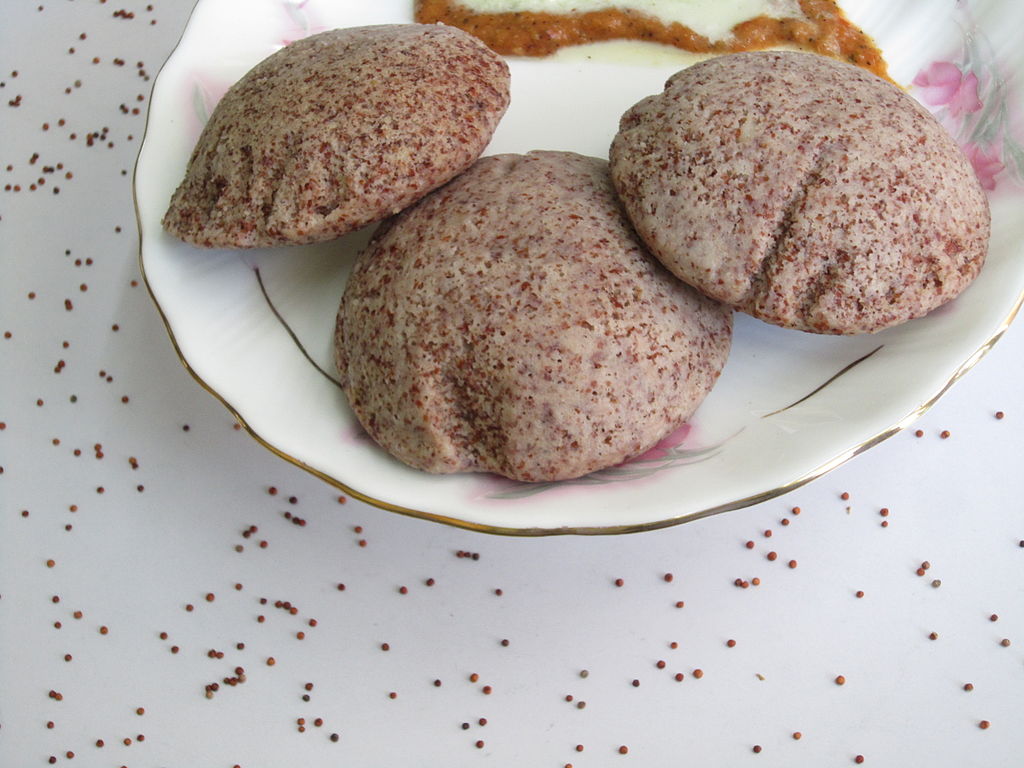
Ragi idli – Made with finger millet (ragi) flour, this idli is a healthy option for people looking to add more nutrients to their diet. Ragi is rich in calcium and fiber.
Vegetable idli – Chopped vegetables like carrots, beans, and peas are mixed into the batter. It is colorful, healthy, and perfect for kids.
Oats idli – Powdered oats are added to the batter, making it a high-fiber idli that can facilitate weight loss. It is perfect for health-conscious people.
Stuffed idli – These idlis have a tasty filling inside, such as spiced potato, paneer, or vegetables. They are flavorful and make a complete meal.
Chocolate idli – A sweet version of idli, where chocolate powder or melted chocolate is added to the batter. Kids love this creative and fun treat.
Health benefits of idli
- Easy to digest – Since idli is steamed and fermented, it is soft, light, and easy on the stomach. It introduces good bacteria the gut, benefitting the digestive system.
- Low in calories – Idli has very few calories because no fat or oil is used to make it, yet it makes a satisfying meal for dieters trying to lose weight.
- Nutritious – Idli is a balanced food, providing carbohydrates for energy and protein from the lentils.
- Gluten-free – Other than rava idli, people who are gluten intolerant can safely enjoy most idli.
- Perfect food for when you are sick – Easy to consume and easy to digest, idli is ideal for people who are unwell or have weak constitution.
Idli is not just food — it is a symbol of health, comfort, and tradition in South India. If you have never tried it, please do! This spongy, steamed, rice cake that is adored throughout India is a wholesome and delicious addition to any diet.