Indian cuisine, renowned for its complex flavors and regional diversity, goes far beyond the general category of “curry.” Each region has a unique approach to combining spices, herbs, and ingredients, creating a wide array of gravies and sauces with distinct tastes, textures, and purposes. Understanding the basic types of sauces in Indian cooking opens up a world of flavors, each tailored to highlight different proteins, vegetables, and even grains. Here’s a look into some core types of Indian sauces and what makes each one unique.
1. Tomato-based sauces
Tomato-based sauces are popular across India, particularly in North Indian cuisine. They’re known for their rich, tangy, and sometimes sweet flavors. The sauce starts with tomatoes as a base, which are then cooked down and blended with spices. This type of sauce often includes ingredients like garlic, ginger, onions, and a mix of spices like cumin, coriander, and turmeric.
Dishes and variants:
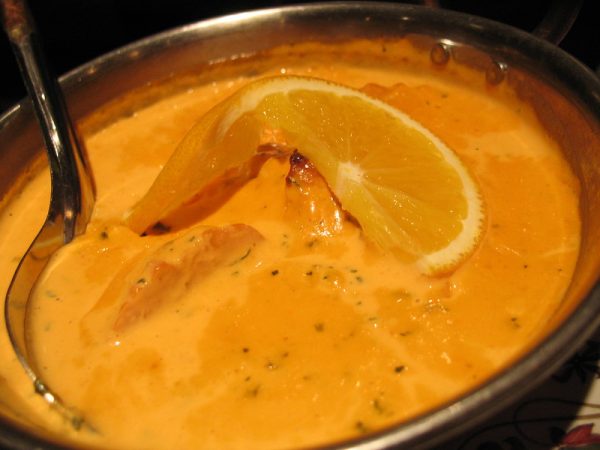
Butter Chicken (Murgh Makhani): A famous tomato-based sauce with butter and cream, which adds richness and a mild, slightly sweet taste.
Tikka Masala: Similar to butter chicken but often spicier, this sauce features a blend of tomato, yogurt, and spices, giving it a tangy and spicy kick.
Tomato-based sauces serve as an excellent backdrop for proteins like chicken and paneer (Indian cottage cheese), which absorb the flavors well. They’re also versatile and can be adjusted with more chilies for heat or cream for a milder flavor.
2. Yogurt-based sauces
Success
You are now signed up for our newsletter
Success
Check your email to complete sign up
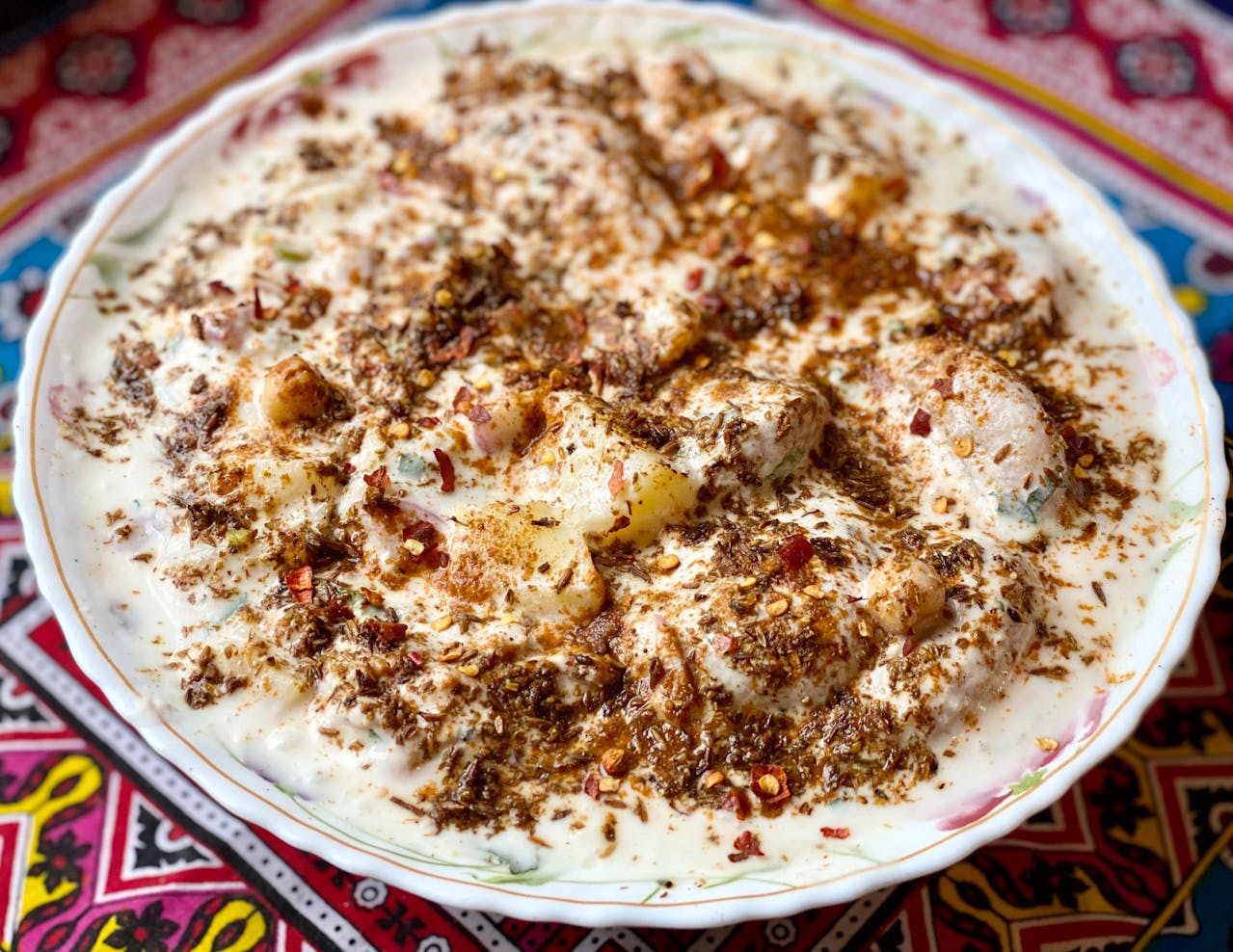
Yogurt is a traditional ingredient in many Indian sauces, especially in North Indian and Mughlai cuisine. Yogurt-based sauces have a tangy flavor and a thick, creamy texture, with yogurt’s natural acidity helping to tenderize meats. This sauce is trendy in dishes where a cooling balance is needed for spices, such as with lamb and chicken.
Dishes and variants:
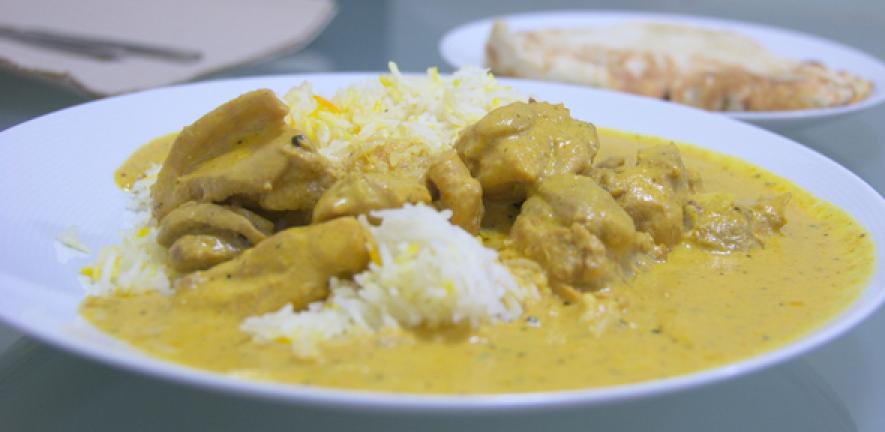
Korma: Made with yogurt, cream, and mild spices like cardamom and nutmeg, korma has a delicate, fragrant flavor profile.
Dahi Baingan: In this dish, eggplant is simmered in a yogurt-based sauce seasoned with spices like mustard seeds and curry leaves, a popular choice in parts of North India.
The yogurt-based sauce is typically slow-cooked to ensure the yogurt doesn’t curdle, resulting in a smooth, mellow flavor that pairs well with rice or naan.
3. Coconut-Based Sauces
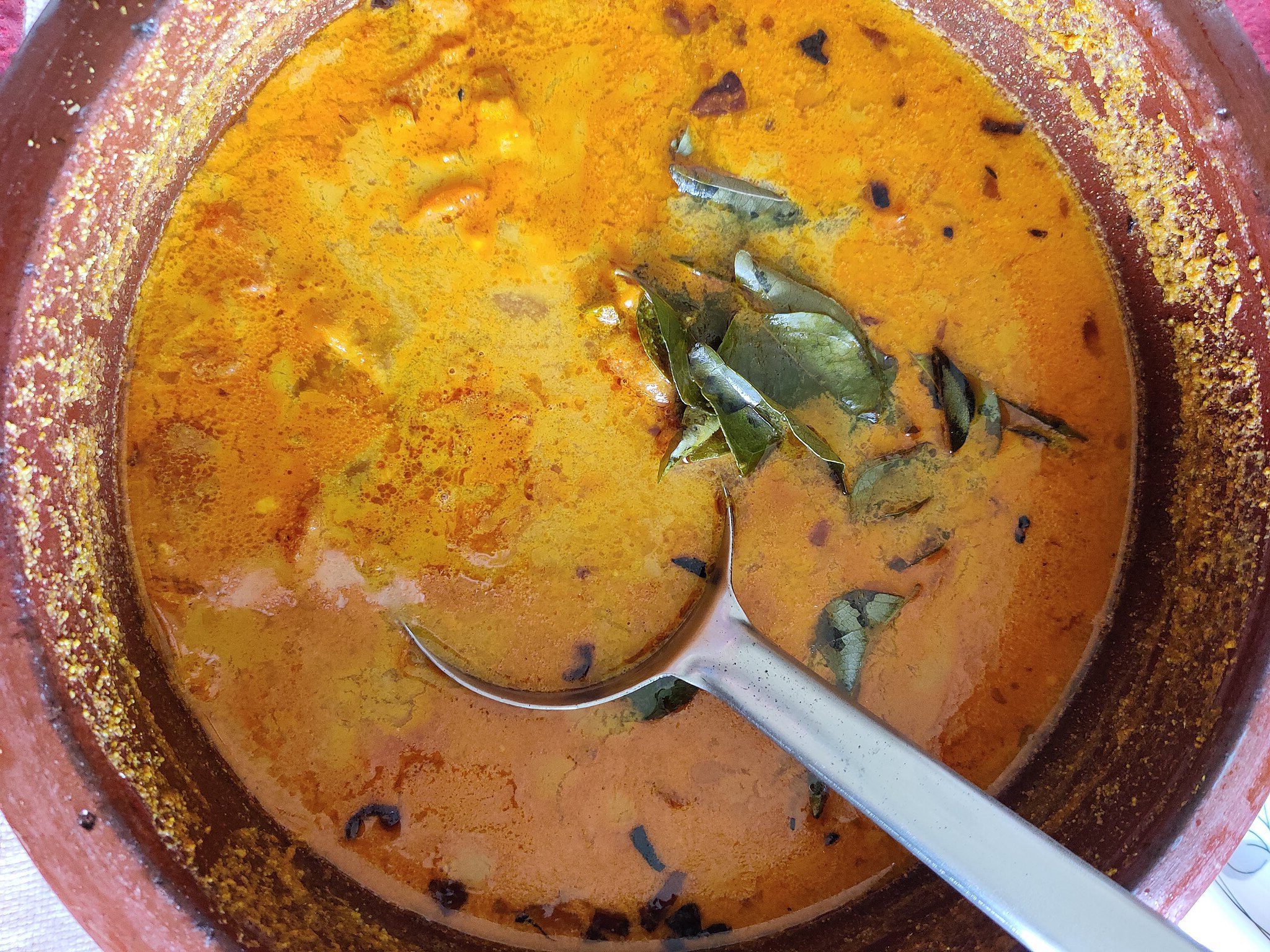
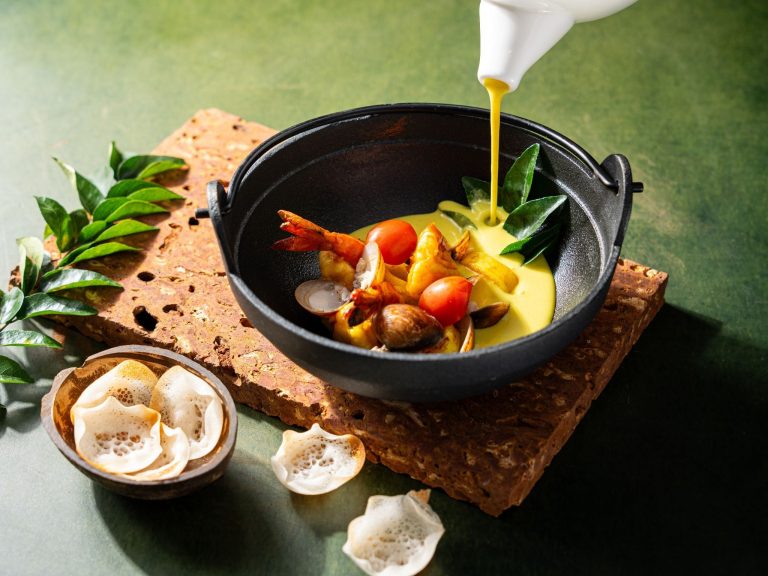
Coconut-based sauces are particularly prominent in South Indian, Goan, and Konkani cuisine, where coconut grows abundantly. These sauces are known for their creamy texture and subtly sweet and nutty flavor. The base often includes grated coconut, coconut milk, or coconut paste, along with spices such as curry leaves, mustard seeds, and chilies.
Dishes and variants:
Fish Curry (Meen Curry): A staple in Kerala and coastal regions, this dish pairs fish with a tangy, spicy coconut sauce featuring tamarind or kokum for acidity.
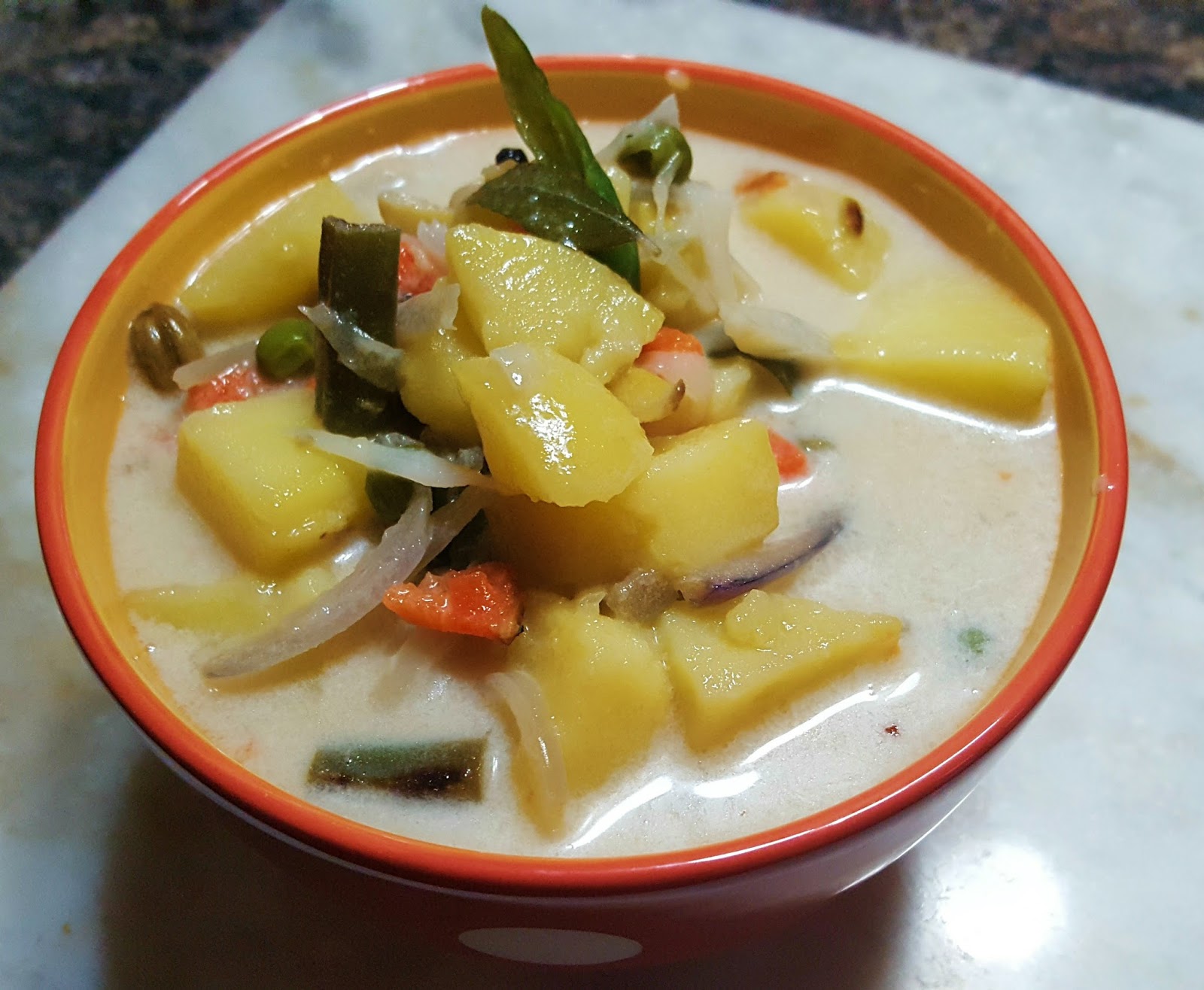
Vegetable Stew: Known as “Ishtu” in Kerala, this mild stew uses coconut milk and light spices, making it a comforting, fragrant dish.
Coconut-based sauces are ideal for seafood, vegetables, and chicken, as they balance spice with creaminess and add a unique tropical flavor that complements South Indian spices well.
4. Onion-based sauces
Onions form the base of many Indian sauces, especially in North and Central India. The flavor is often deep, sweet, and savory, with onions caramelized to bring out their natural sweetness. This base is then mixed with tomatoes and various spices to create a rich, complex sauce.
Dishes and variants:
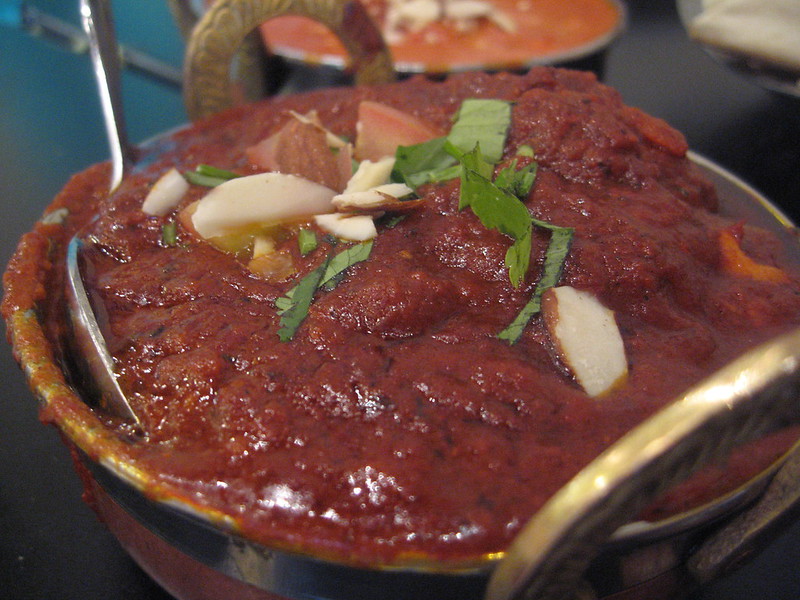
Rogan Josh: Originally from Kashmir, this lamb dish uses onions and yogurt with aromatic spices like fennel and cinnamon, creating a deep red, flavorful sauce.
Bhuna: The term “bhuna” refers to the process of frying onions with spices until the oil separates, creating a thick, intensely flavorful sauce used for meats.
Onion-based sauces work well with proteins, as the caramelized onions add depth and a hint of sweetness that balances the spices.
5. Mustard-based sauces
Mustard-based sauces are popular in Eastern India, particularly in Bengali and Oriya cuisine. They have a sharp, pungent flavor, as the mustard seeds or mustard oil used in these dishes are strong and distinct. Mustard sauce often includes mustard paste, green chilies, and sometimes yogurt or coconut.
Dishes and variants:
Shorshe Bata Maach (Mustard Fish Curry): This Bengali favorite uses a paste of yellow mustard seeds and green chilies to coat fish, creating a bold, spicy, and tangy sauce.
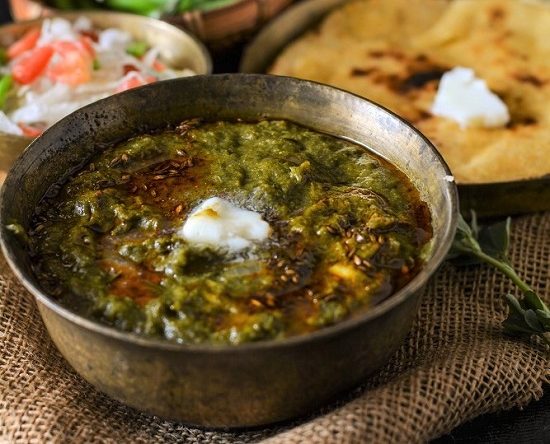
Sarson da Saag: Though not a “sauce” strictly, this Punjabi dish uses mustard greens as a base, cooked with spices, and finished with clarified butter (ghee) for a creamy, rich texture.
Mustard-based sauces pair particularly well with fish and other seafood, as well as leafy greens, balancing the heat with earthy flavors.
6. Lentil-based sauces
Lentil-based sauces, like dal, are a staple across India and come in many forms. Lentils are cooked until soft, then blended with spices and often tempered with a “tadka” (a seasoned oil infused with spices like cumin, mustard seeds, and curry leaves). Lentil-based sauces are nutritious, packed with protein, and vary from region to region.
Dishes and variants:
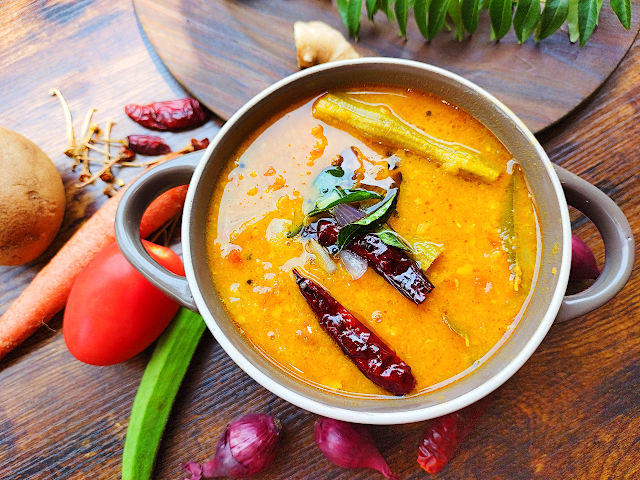
Sambar: A South Indian favorite, sambar is a tangy lentil-based stew made with tamarind, vegetables, and a blend of spices like fenugreek and coriander.
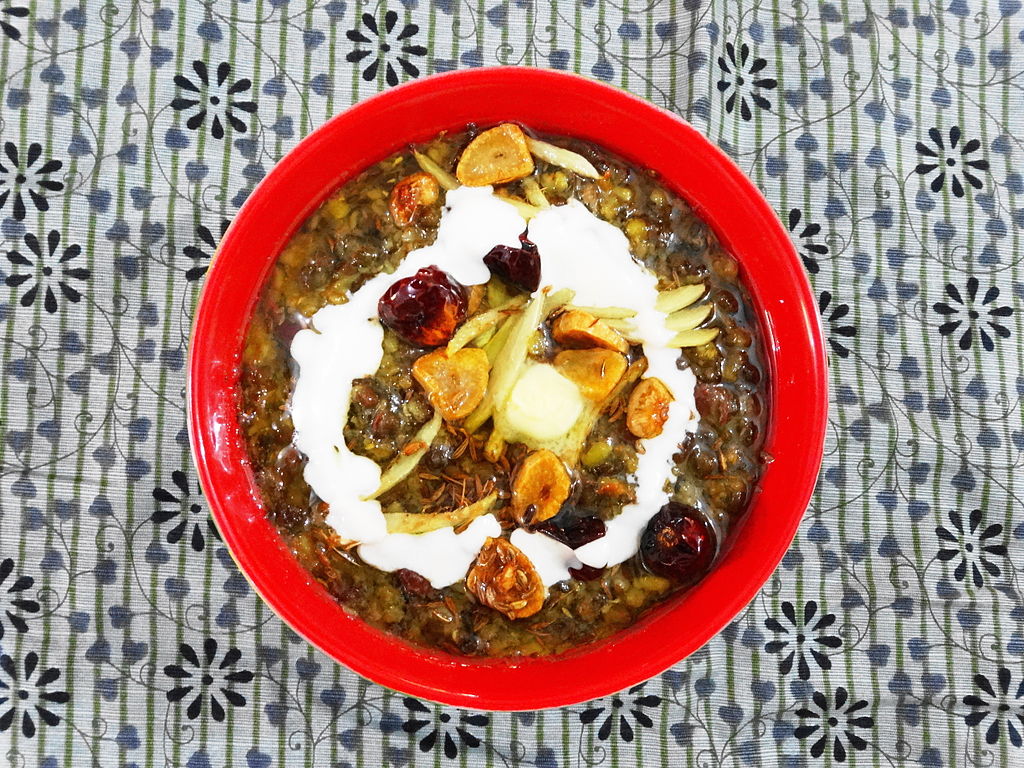
Dal Makhani: A creamy North Indian dish made with black lentils and kidney beans, slow-cooked with butter and cream for a rich, luxurious flavor.
These sauces are versatile and can be thick, creamy, thinner, and more soupy, depending on the dish. They are commonly served with rice or Indian bread.
7. Tamarind-based sauces
Tamarind-based sauces are particularly common in South Indian and Gujarati cuisine, known for their tangy, slightly sweet taste. Tamarind adds acidity to a dish, balancing spicy or earthy flavors.
Dishes and variants:
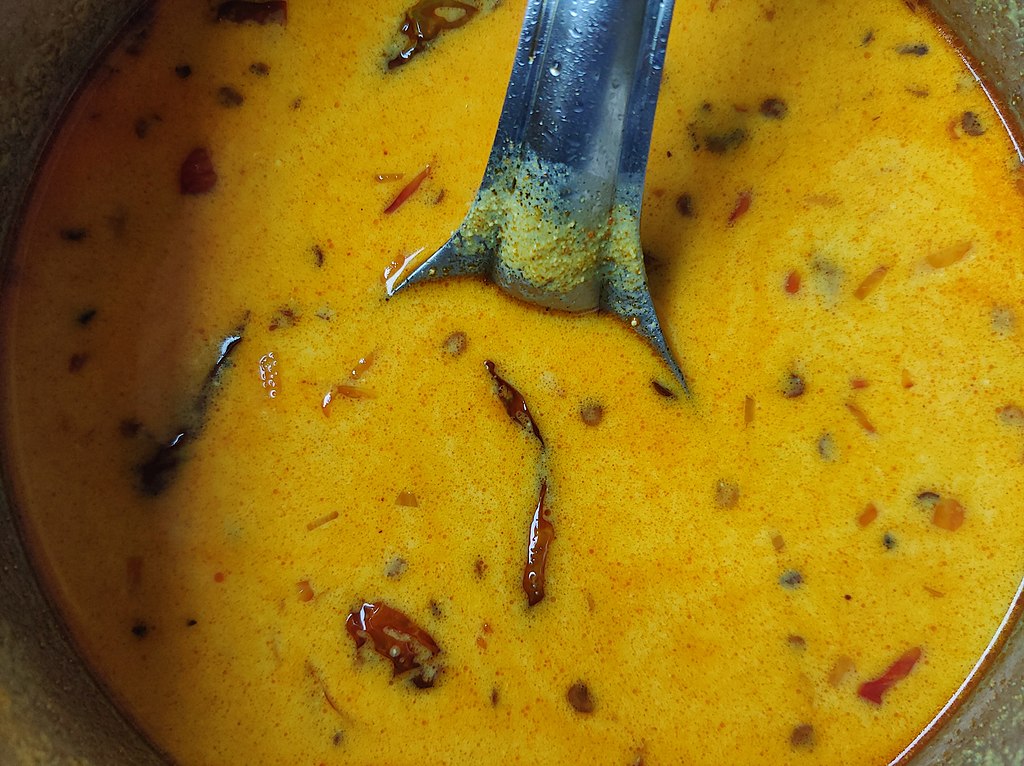
Puli Kuzhambu: A South Indian tamarind-based curry that’s tangy and spicy, often made with vegetables or seafood.
Khatta Dal: A sour lentil soup made with tamarind, popular in Gujarati cuisine.
Tamarind-based sauces provide a unique tang that complements the spiciness of many dishes, and they’re often used as a base for stews, curries, and even chutneys.
Indian sauces are as diverse as the regions and cultures that make up the country. Each type brings out different flavors from the core ingredients, and learning about them is the first step in understanding Indian cooking beyond the label of “curry.” By mastering these sauces, you can explore endless recipes that honor the traditions and flavors of Indian cuisine, creating a foundation for experimenting with your interpretations. Once you grasp the basics of each sauce type, the possibilities in Indian cooking become almost limitless.