On April 17, after years of violent conflict, the military junta of Myanmar entered into negotiations with the prime minister of Malaysia to make peace efforts and secure aid for the country’s quake victims. As a result, the junta agreed to release around 5,000 prisoners as part of its Buddhist New Year’s amnesty.
Other than the 4,893 prisoners, 13 foreigners were also freed.
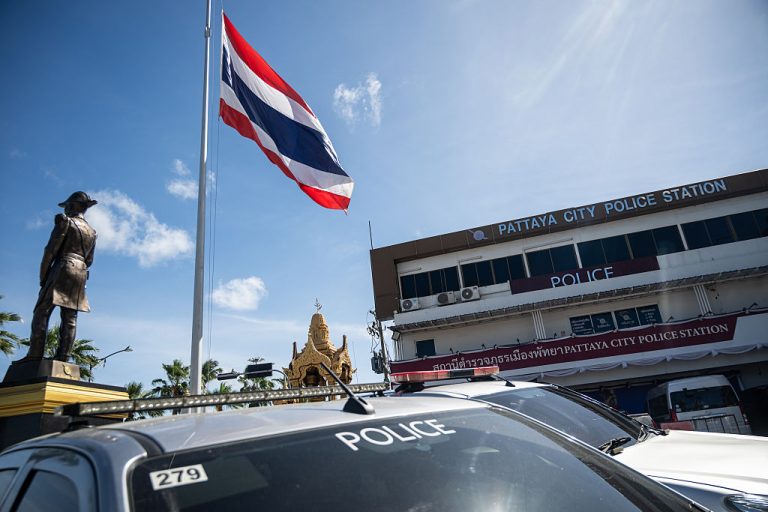
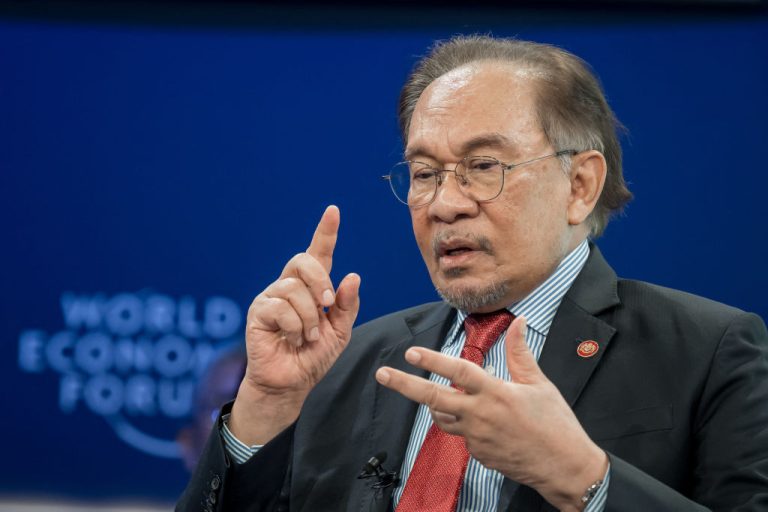
According to state-owned Myanmar Radio and Television (MRTV), junta leader Min Aung Hlaing met with Malaysian Prime Minister Anwar Ibrahim in Bangkok to move forward with peace in Myanmar following years of civil war.
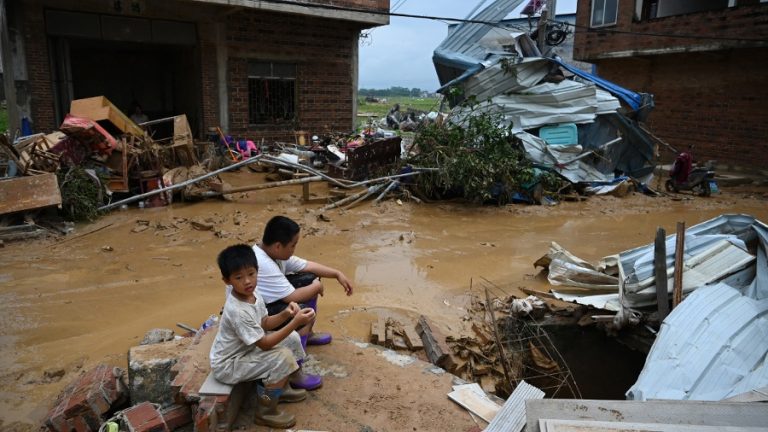
Other than seeking to achieve peace in the country, the two sides spoke about helping victims of the earthquake that struck Myanmar last month.
Aid by the Association of Southeast Asian Nations (ASEAN) was also discussed. Malaysia is currently the chair of ASEAN; something that Anwar is hoping to use to inspire cooperation in Myanmar, even after the organization had been unable to seek peace between the junta and rebel forces in the country’s current civil conflict.
Success
You are now signed up for our newsletter
Success
Check your email to complete sign up
On X, he said that he had a “frank and constructive discussion, focused on the urgent humanitarian needs” for quake victims, while also embracing the prisoner amnesty to “reduce tensions.”
However, activists were disappointed with the amnesty, as it did not include any prominent figures from the previously ousted government led by Aung San Suu Kyi.
“The military council is trying to save face with ASEAN. They included only a small number of political prisoners,” Thaik Htun Oo, founder of the Myanmar Political Prisoners Network-Myanmar (PPNM), said. The network also reported that, out of more than 5,000 prisoners, only 100 of them were political prisoners.
The primary political detainees, Suu Kyi included, are still held under the junta’s watch, either in prison or under house arrest. The former leader has not been seen or heard of since the coup in 2021.
The junta also stated that certain prisoners would receive a one-sixth reduction in their sentences. However, they made it clear that this would not apply to individuals convicted under specific laws often used against political dissidents and anti-junta fighters—such as those related to terrorism, unlawful association, explosives, and firearms.
An anonymous analyst noted that the exclusions mostly target pro-democracy activists, ethnic fighters, and officials of Suu Kyi’s former National League, which helps the military silence key critics. Some NLD officials have also died right after release due to a lack of healthcare during their imprisonment.
READ MORE:
- Myanmar Quake Death Toll Hits 3,000, UN Urges Aid Ahead of Monsoon Season
- Beijing and Vietnam, Ink Agreements During Xi’s Hanoi Visit as US Tariff Pressure Looms
- Thai Authorities Investigate Collapse of Building Constructed With Chinese Aid After Burma Earthquake
Complications suffered
After the quake hit Myanmar, diplomats from Malaysia and Thailand visited the country to assess and support efforts in rescuing victims of the disaster, the Anadolu Agency wrote.
Myanmar’s state media reported that Thai and Malaysian foreign ministers also met with members of the National Disaster Management Committee and ASEAN’s Coordinating Centre for Humanitarian Assistance Disaster Management.
Reuters reported that with the ongoing civil war, Anwar pressed for the junta and the rebel forces to agree to extend a 20-day ceasefire — first implemented on April 2 — to continue aiding quake victims.
“There will be a ceasefire and no unnecessary provocations, because otherwise the whole humanitarian exercise would fail,” Anwar said at a news conference in Bangkok.
Despite the junta’s assurances, some are still skeptical of the military’s motives.
“Min Aung Hlaing has shown that he cannot be trusted,” Thitinan Pongsudhirak, political scientist at Chulalongkorn University, said.
“So ASEAN under Anwar has to be careful not to get taken for a ride.”