If you’re unfamiliar with medlar fruit, that’s not surprising. This unusual pome was popular in Medieval times, but fell out of favor as produce preferences turned towards convenience for our fast-paced lives. Small, hard, and weird may not sound appealing at first, but our ancestors enjoyed them immensely. Shall we see why?
What is medlar?
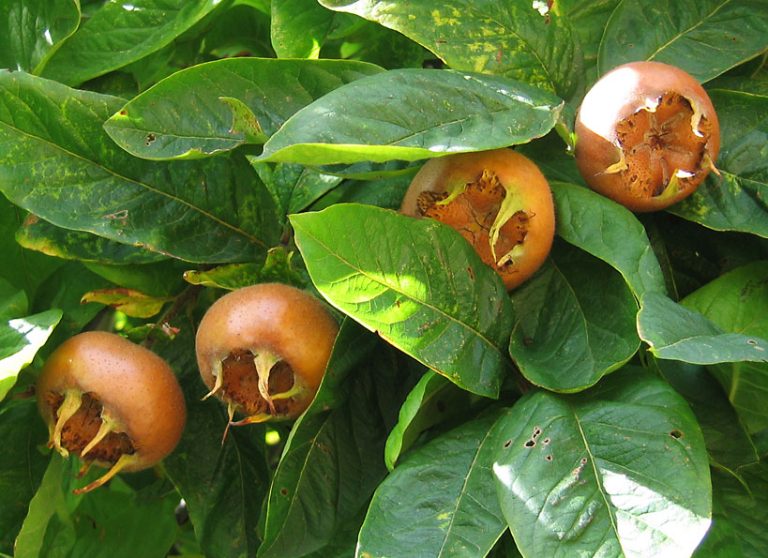
Not to be confused with the 2015 film The Meddler, starring Susan Sarandon, the medlar (Mespilus germanica) is one of many fruiting members of the rose (Rosaceae) family. At the time when botanical nomenclature was initiated, the plant was believed to be native to Germany, but now it is understood to have originated in the area that covers Asia Minor, Iran and southeastern Europe.

Medlar was first cultivated in ancient Greece around 700 BC, and later in Rome around 200 BC. As the Roman Empire expanded, medlar became an established fruit tree across much of Europe. This Old World fruit appears in ancient mosaics and illustrations, as well as classic literature — from Shakespeare to Cervantes.
Medlar harvest happens late in the season, after most other fruits are long gone. This made it a valuable source of winter nutrition in times when everyone ate seasonally.
The medlar’s small, roundish fruit can be described as a cross between apples and rose hips; but like its other cousin the quince, it is inedible fresh off the tree. Medlar fruits require a special ripening process called “bletting” before they can be enjoyed.
What is bletting?

Success
You are now signed up for our newsletter
Success
Check your email to complete sign up
When first harvested, Medlar fruit is high in acid, starch and tannin — making it too hard and tart to enjoy. Through a special storage period of two to four weeks (called bletting), the starches are converted to sugars, the tannins polymerize to become more palatable, and the cell walls break down to make the flesh soft and mushy. They basically look rotten — but without any mold or foul smells.
The fruits are harvested on a dry day after the first or second frost late in the fall, when the stems naturally release. Then they are stored in a cool, dry room, laid out in a single layer, with the blossom side down. As the fermentation-like process progresses, the fruit’s skin becomes dark and begins to wrinkle. Once fully ripe, medlar fruit has a consistency and flavor similar to spiced apple butter. THIS was worth waiting for in the Middle Ages.
How to get your hands on medlar

The ripe fruit does not travel well and should be consumed or preserved within a couple weeks. This, combined with its lengthy ripening process and severe scarcity, means medlar is seldom sold in supermarkets. The plant is slowly making a comeback among gourmets with a green thumb, however; which may mean you have a friend who can score you a sample.
If you’re adventurous and can provide the space and care for a small tree, you might consider growing this heirloom plant yourself.
Growing medlar

Medlar is a slow-growing tree that can live for many years (sometimes centuries), rarely exceeding 20 feet in height. Its twisty, gnarled shape and plated bark make it a picturesque specimen plant — with flowers, fall-foliage and fruit to offer special seasonal interest.
Medlars do well with warm summers and cool winters (USDA zones 5-8), and prefer slightly acidic soil. They can be grown from seed or purchased as small trees (usually grafted onto faster-growing root-stock).
You can start your own saplings from fresh, clean seeds; but first they must undergo cold stratification to break dormancy and enable germination. This is as simple as wrapping the seeds in a moist paper towel placed in a ziplock bag and refrigerating for about 10 weeks, or until they show signs of germination. Begin cold stratification when the fruits are ready to eat (late fall/early winter), as you will want to plant them in the spring.
Any seeds that appear to be popping open with growth should be moved to a mix of well-drained potting soil — the rest can be discarded. With consistent moisture and a warm, sunny location, the potted seedlings should emerge within three weeks.
Give the young plants as much sunlight as possible, and transplant in the ground after they have developed several sets of leaves. With added protection during the winter months, medlars can also be grown in large pots. Be forewarned — Trees grown from seed may take several years to mature and bear fruit.
For quicker, more reliable results, there are a number of cultivated varieties of medlar available with traits to match your tastes. Breda Giant features large, smooth textured fruit; Marron™ offers reliable production in a compact form; Nottingham is considered to have excellent flavor; and Royal is known for its superior productivity.
All medlars are relatively low-maintenance. They can self-pollinate, but benefit from a partner tree.
Why medlar deserves an encore

Fine food
Ripe medlar has a unique, tangy sweetness suitable for a wide array of applications. It can be spooned directly out of the skin; strained and blended into a variety of desserts; preserved as jellies, jams and chutney; fermented into cider or wine; or processed into “medlar cheese” (a thick, spicey, sweetened paste).
Medlar is an excellent choice for seasonal eating during the winter months. Locally-grown medlar can provide fresh, vitamin-packed fruits when we need them most.
Medicinal value
Medlar has long been considered helpful for digestion and gut health. The long, fermentation-like process required to make it palatable probably introduces many beneficial bacteria to the ripening fruit.
In addition, medlar has nutritional value similar to its cousin pomes, and as the saying goes: “An apple a day keeps the doctor away.”
Beautiful multipurpose tree
If you’re looking for a unique, low-maintenance botanical specimen, consider this under-used heirloom tree. Its rustic charm and seasonal interest will bring many years of year-round satisfaction.
Growing medlar supports biodiversity in nature by providing food and habitat for wildlife. It also helps revive the dwindling genepool of heritage species.
Symbol of patience

We all know that patience is a virtue, but in this hectic world it helps to have a reminder. Medlar is the icon of tolerance among trees. From its slow, steady growth, to the long ripening process of its fruit, it teaches us to take life as it comes. Try growing medlar and experience first hand how “good things come to those who wait.”