Whether it’s from the potent cleaning products made with pine oil, or the annual Christmas tradition of bringing a tree indoors, most of us are familiar with the fresh scent of pine. Alpha-pinene, a terpene found in the needles, bark, and resin of pine trees, not only gives pine its characteristic fragrance, but also carries powerful healing properties.
Ancient indigenous people around the world used pine for a wide range of medicinal purposes, and modern scientific findings largely substantiate their validity. Learn how to make effective pine remedies for your herbal medicine cabinet with this natural symbol of longevity and resilience.
Pine trees

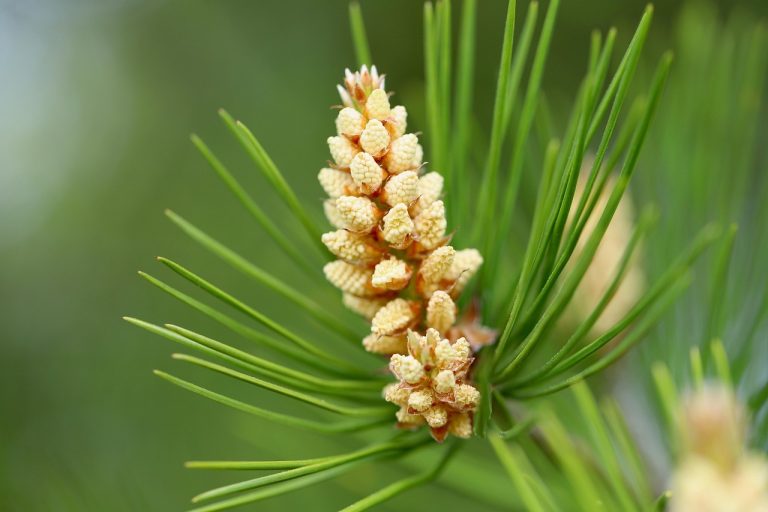
As you probably know, pine trees are conifers — cone-bearing evergreens with needle-like leaves adapted to cold climates. Among the 68 genera of conifers, however; pine, spruce and fir are frequently confused. Pine can be identified by its long, thin needles, borne in clusters (fascicles) of two, three or five. At the base of each fascicle is a brown, papery sheath.
Firs and spruces, on the other hand, carry their needles singly along the twigs. The genus Abies (fir) has flat needles, while the genus Picea (spruce) has more rounded needles. They all belong to the same family (Pinaceae), but each has its own characteristics.
The genus Pinus (pronounced with a long i) includes 126 species, thriving in diverse conditions across the Northern hemisphere, with only one at home below the equator. Western North America boasts the most in pine variety — and the biggest individual trees.
Success
You are now signed up for our newsletter
Success
Check your email to complete sign up
The “Mossy Creek Giant,” an approximately 475-year-old sugar pine of Yosemite National Park in California, was an impressive 236 feet tall in 2024; but its cousin “Phalanx,” a ponderosa pine in Rogue River-Siskiyou National Forest of Oregon, towers over it at 268.3 feet!
Traditional Uses
Ancient cultures around the world have used pine in different ways for similar purposes — relieving respiratory ailments, skin conditions, infections, inflammatory pain, and boosting immunity.
Pine needles
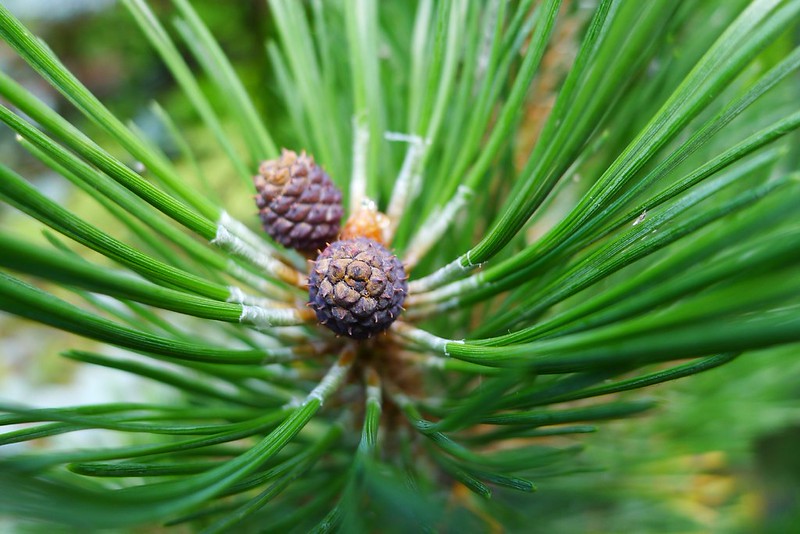
Pine needles, one of the easiest parts of the pine to collect, have long served as a source of medicine. In Scandinavia and Northern Russia, pine needles were brewed into a restorative tea to maintain vitality and immunity through the cold winters.
Native Americans drank warm infusions to promote respiratory health, or chewed the fresh needles for sore throats and oral hygiene. In Japan, the needles were used externally — in soothing baths and compresses to promote relaxation and relieve muscle pain.
Pine bark
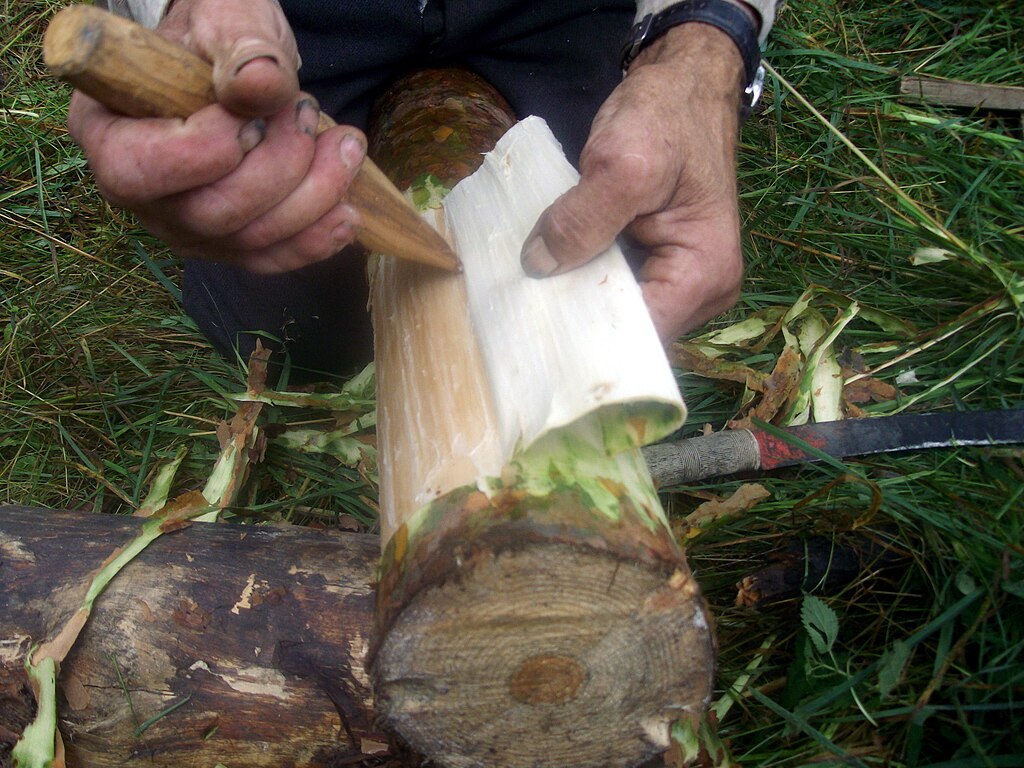
The inner bark is decidedly harder to harvest, but may have more potent medicinal components. The pliable tissue under the hard, outer bark was traditionally used to make astringent, antimicrobial washes and soothing baths. It was also ingested in the form of tea, to relieve coughs and colds.
In China, the woody fibers were infused in liquor and applied topically to inflamed joints; and in Finland, the pine bark was dried, toasted and ground into flour as emergency food in times of famine.
Pine resin
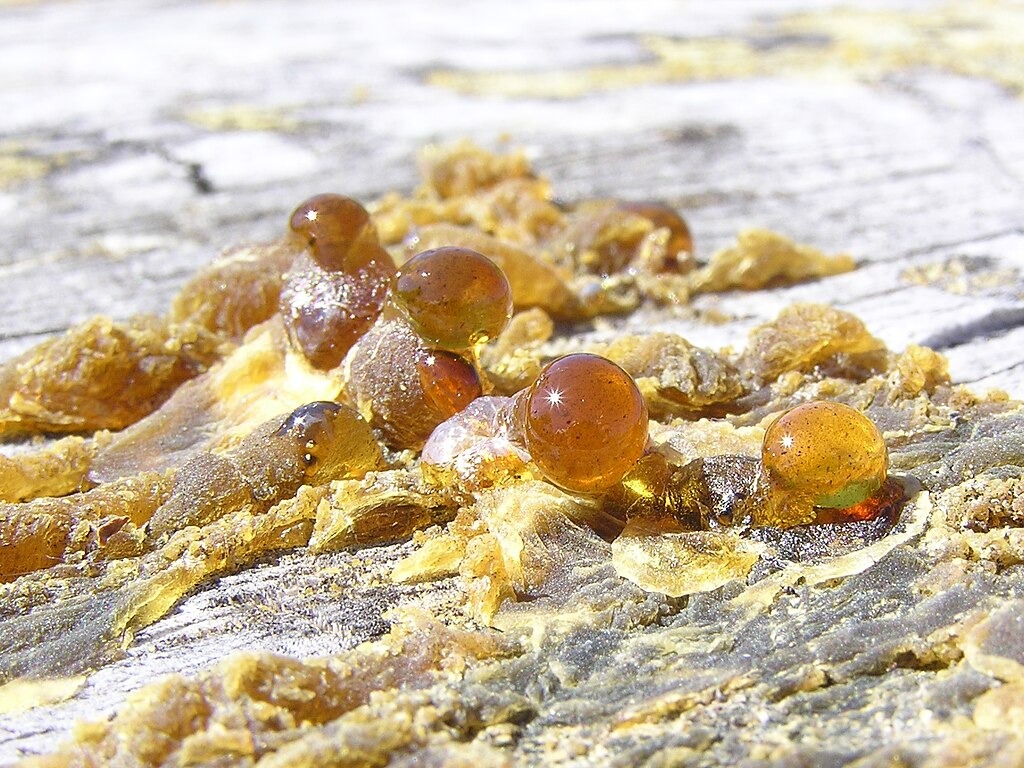
Pine resin, known as “pitch,” is the sap that seeps from open wounds on pine. The sticky substance makes less mess if it has dried before collection. Impurities like insects and debris that got stuck in it can be strained out by melting the hard pieces to liquid form.
Although some cultures have used purified pine resin in small amounts for internal medicine, it is safer and more suitable for external applications. Pine resin has antibacterial properties to help protect the tree while it heals, and was widely used to make antimicrobial ointments for healing, soothing, and drawing out splinters or venom.
Medicinal properties
Aside from providing important A, B, C and E vitamins, pine contains a number of organic compounds with potent medicinal properties.
- Proanthocyanidins found in pine are powerful antioxidants that have been shown to protect from UV damage. With their ability to bond with collagen, they also support cell health, elasticity and flexibility. Procayanidins are the primary active ingredient in Pycnogenol, a popular herbal remedy made from pine bark extract.
- Arginine and proline are semi-essential amino acids used to create protein. Arginine plays a role in cell division, healing capacity, immunity and the production of nitric oxide. Proline is important in the creation of proteins, metabolic activities and sensory functions at the cellular level.
- Alpha-pinene gives pine its distinctive scent. Aside from being a natural insect repellent, this compound has notable anti-inflammatory properties. It has also been shown to relax bronchial muscles for easy breathing, and exhibits antimicrobial effects against certain bacteria and fungi.
Pine needles have demonstrated antimutagenic, antioxidant and antiproliferative properties that can help fight cancer; while pine bark extract has been shown to help improve diabetic symptoms, prevent hearing loss, defend against infections, protect the skin from sun damage, and improve circulation.
Growing pine
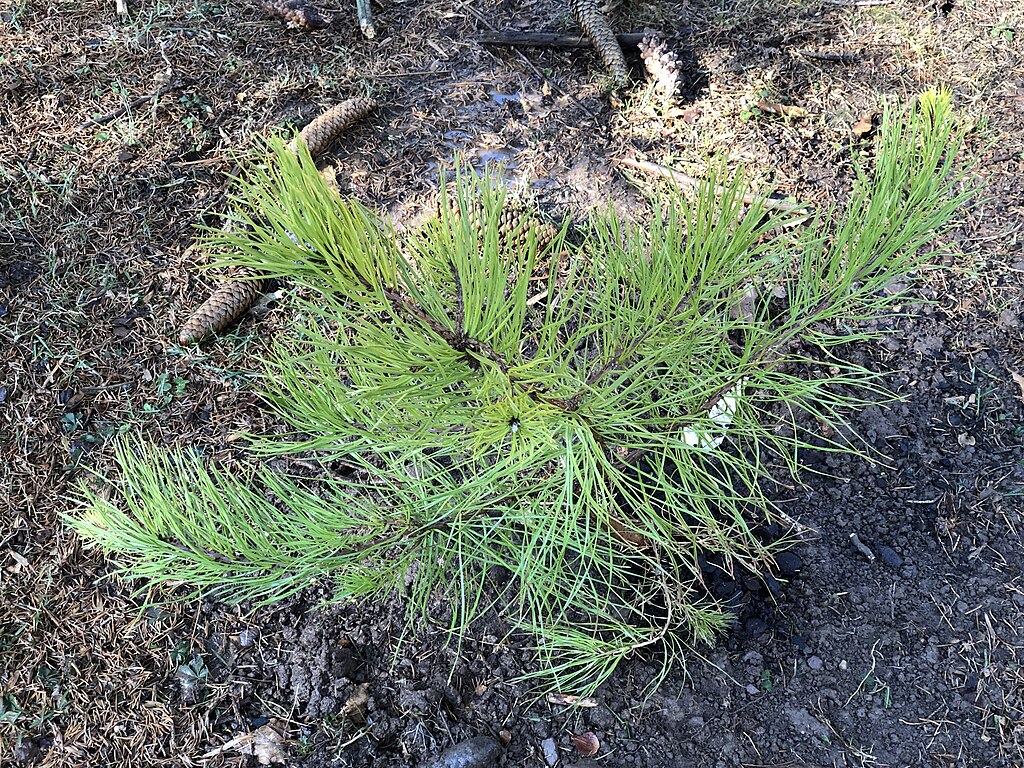
Growing pine is a great way to ensure year-round access to its fresh scent and therapeutic properties. With over 100 species to choose from, it shouldn’t be hard to find something suitable for your growing conditions. Even if you have no space for a tree, pines are known to make beautiful bonsai!
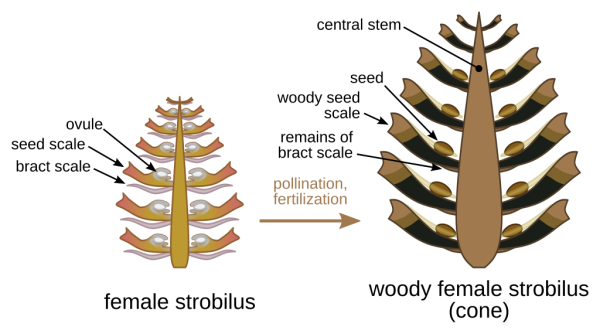
While there are plenty of pines available for sale, native species should grow readily from seed. Collect seeds from mature, dry pine cones. To promote germination, place the seeds in a bag with moist sand and keep it in the refrigerator for a couple months. This is called cold stratification, and it mimics the winter season seeds endure in nature.
Still, the germination rate could be low, so sow more than you plan to grow. In the spring, plant the seeds in small pots or directly in the ground, choosing a location with plenty of sun and good drainage. Germination could take anywhere from two weeks to two months.
Saplings can be transplanted in early spring or late fall. Throughout the tree’s youth (8-10 years), water deeply during dry conditions. This will establish a strong root system capable of withstanding drought in the future.
Depending on the species, pines could grow a few inches per season or a few feet. If you have a small space, consider a dwarf variety.
Harvesting tips
Whether you are collecting from the wild or from your own cultivated pine, take care not to harm the trees. Bark should only be taken from limbs that were removed for thinning or fell off in a storm. Harvesting bark from the trunks of living trees will kill them.
Pine needles are best harvested during a dry spell in the late spring or early summer. Avoid using the needles of your Christmas tree unless you know for certain that it was not chemically treated (with fire-retardant, for example).
Pine resin is also at its peak from late spring to early summer. The resin flow is high during this time and so is the concentration of medicinal compounds. Hardened sap can be removed into a jar with the help of a knife. Be sure to leave a layer on the tree to protect the wound.
Pines that should not be harvested for internal use include lodgepole pine, ponderosa pine and balsam pine, as well as Norfolk Island pine which is not a true pine. Cypress and yews are other conifers that should not be used, so be certain with your identification!
Home remedies with pine
Pine needle tea
- ½ cup pine needles
- 3 cups of water
Cut or crush the needles a little to help release their organic compounds. Simmer for 10 to 15 minutes and serve warm, with an optional squeeze of lemon. Pine needle tea tastes like it smells — like fresh-cut lumber.
Application: Sip pine needle tea to promote a healthy immune response and improve respiratory conditions like allergies, asthma and cold symptoms. It can also help in the treatment of urinary tract infections and sinus infections. A stronger brew can be added to your bath to soothe skin conditions, relieve joint pain, and relax the mind.
Pine resin salve
- ½ cup oil (olive, almond, or already-infused oils for added benefit)
- ¼ cup pine resin
- 1 Tbsp beeswax pastilles (more or less depending on how firm your like your salve)
Directions:
- In a simmering double-boiler, warm the oil and resin over low heat until the resin melts. If you are using your own, hand-picked resin, you will probably want to strain it through a coffee filter or other fine strainer at this point to remove bits of debris.
- Return the strained liquid to the double boiler and add the beeswax. Continue to heat gently until the wax melts.
- Remove from heat and add optional essential oils of your choice.
- Pour into small opaque jars or tins and store in a cool, dry place.
Application: Use the salve to soothe sore muscles and aching joints, to help protect and heal scrapes and wounds, and as a chest rub to promote deep breathing and relaxation.
Even without easy access to fresh pine, you can enjoy the therapeutic benefits of its essential oil, which is believed to boost energy and mood, relieve headaches and congestion, and alleviate pain and tension. But if you live near a pine forest, consider yourself blessed — you can reap the benefits of aromatherapy with your daily walks!