By Jian Yi
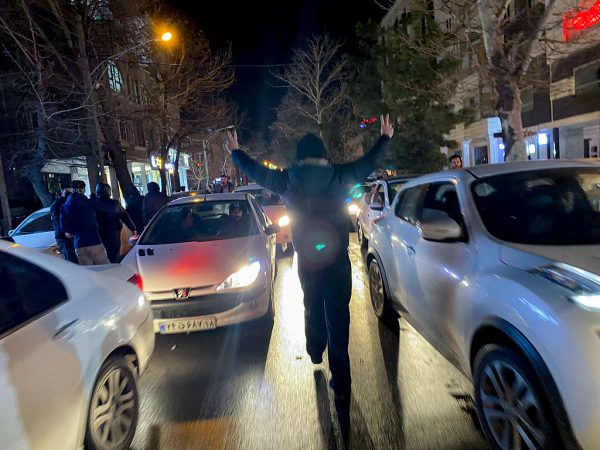
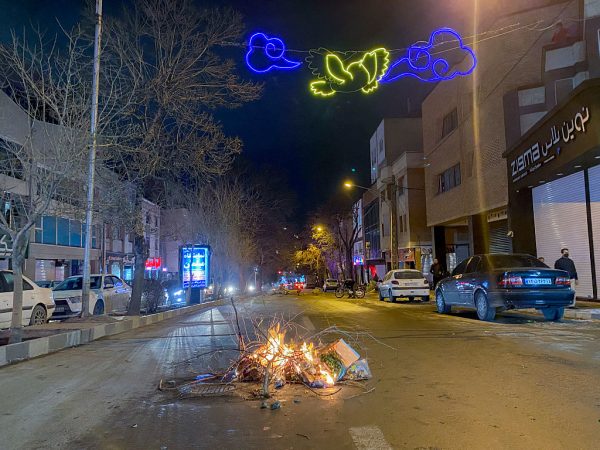
Protests in Iran have drawn growing international attention in recent days, as demonstrators across the country confront authorities. On Chinese social media platforms, expressions of support for Iranian protesters surged, with users openly pushing back against official Chinese communist narratives and praising Iranian demonstrators as “heroes.”
Posts circulating online in China described the Iranian protests as the beginning of a broader revolutionary movement. Some users wrote that “the Iranian people are all heroes” and suggested the unrest was giving hope to people living under authoritarian rule elsewhere. Others used sarcasm to mock Chinese state propaganda, implying that Beijing’s circle of international allies was shrinking.
On Jan. 1, 2026, former U.S. President Donald Trump posted a public message addressing the situation in Iran. In the post, he warned that if Iranian authorities opened fire on civilians, the United States would step in to assist the Iranian people.
The following day, a Chinese internet user shared what he described as updates from Iran, writing that protesters were occupying and blocking streets in key districts of Tehran. He added that Trump’s message seemed to have encouraged many demonstrators to remain on the streets and said developments in Iran were being closely watched worldwide.
Success
You are now signed up for our newsletter
Success
Check your email to complete sign up
Images and videos circulating online showed Iranians from different segments of society taking part in the protests. One widely shared video featured a young Iranian woman removing her headscarf and directly appealing to Israeli Prime Minister Benjamin Netanyahu for help. In the video, she spoke of hope and trust, recalled past assurances of support if Iranians took to the streets, and urged international leaders to stand with the Iranian people as violence intensified. She said civilians were being killed and asked for immediate assistance.
Trump says US could intervene
A day earlier, Trump had posted another message on his Truth Social platform stating that if Iranian authorities used lethal force against peaceful protesters, the United States would intervene to help them. The post concluded with the words, “We are locked and loaded. Thank you for your attention to this matter,” and was signed “President Donald J. Trump.” The White House later reposted the message verbatim on the social media platform X.
Shortly afterward, reports circulated online that a U.S. MQ-4C Triton high-altitude, long-endurance reconnaissance drone was operating over the Persian Gulf, closely monitoring developments related to Iran.
Following Trump’s statement, former U.S. national security adviser Michael Flynn wrote on X that the Iranian people needed global support and prayers. He wrote that if Iranians succeeded in overcoming rulers who governed through fear and brutality, the political landscape of the Middle East and beyond could shift significantly. Reflecting on the role of social media, Flynn drew historical parallels and wrote that life lived in freedom was preferable to life lived under fear.
Chinese netizens widely circulated and discussed Flynn’s remarks, saying they resonated with their own experiences. On Chinese platforms, support for Iranian protesters appeared overwhelmingly one-sided.
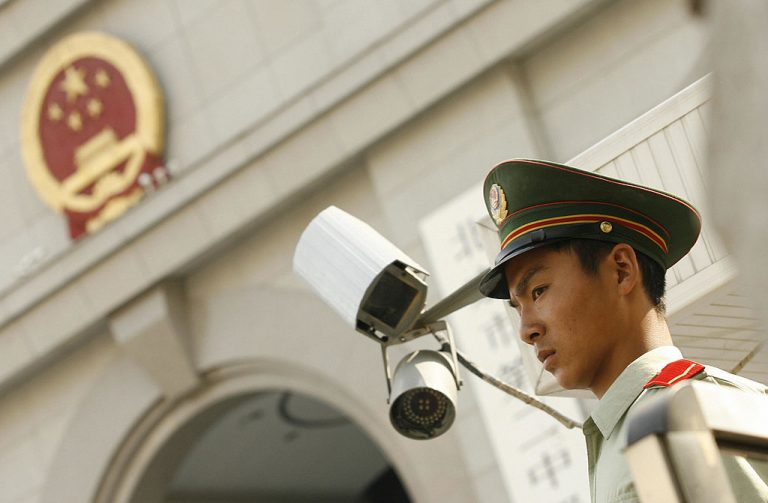
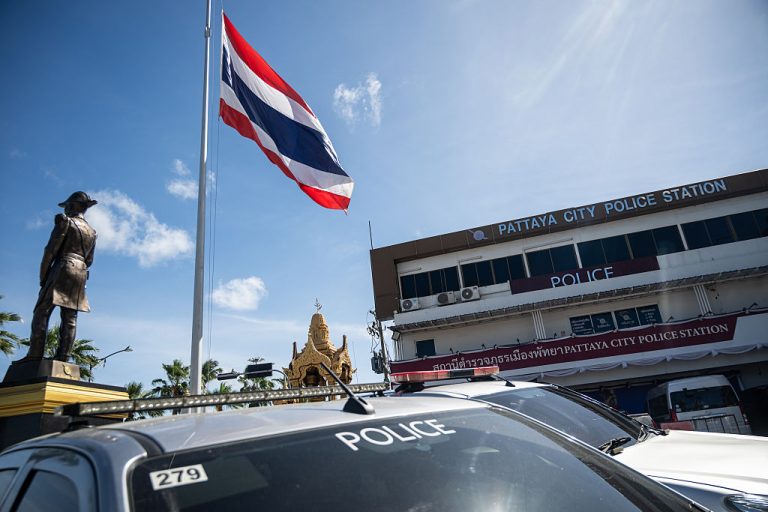
Chinese state media released a propaganda video describing Iranian protesters as “rioters,” reporting that on Jan. 1, 2026, a police station in Iran’s Lorestan province had been attacked. The report said clashes involved stone-throwing and damage to police vehicles.
That framing was met with strong resistance in comment sections. Many Chinese users openly disputed the characterization, commenting, “They are not rioters, they are heroic Iranian people,” and asking, “Who are the real rioters?” Others criticized Iranian police while praising civilians seeking what they described as a more civilized future.
Some commenters used indirect sarcasm to mock Beijing’s position, referring to unnamed “third parties” and suggesting traditional propaganda tactics were losing their effect. Overseas Chinese users described the online response as striking.
Other comments drew parallels to China’s own past. Users wrote that protesters in China had similarly been labeled “rioters” during earlier political crackdowns. Some noted that despite strict internet controls, the volume of dissenting voices demonstrated the depth of public anger.