By Li Muzi
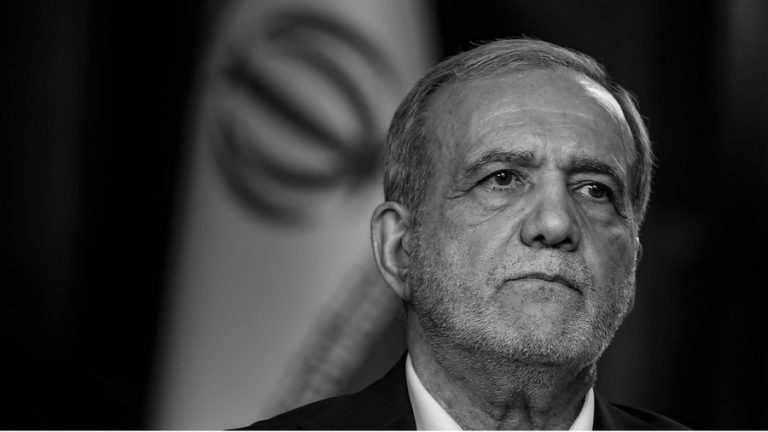
As protests spread across Iran in late December 2025, an unusual consensus emerged on Chinese social media. On platforms where political expression is often fragmented or cautious, mainland users responded with strikingly unified support for Iranian demonstrators, voicing admiration, encouragement, and a sense of identification with their struggle.
Expressions of solidarity circulated widely. Some praised the protesters’ resolve. Others framed the unrest as a long-delayed turning point, suggesting that Iran was approaching a long-awaited moment of change.
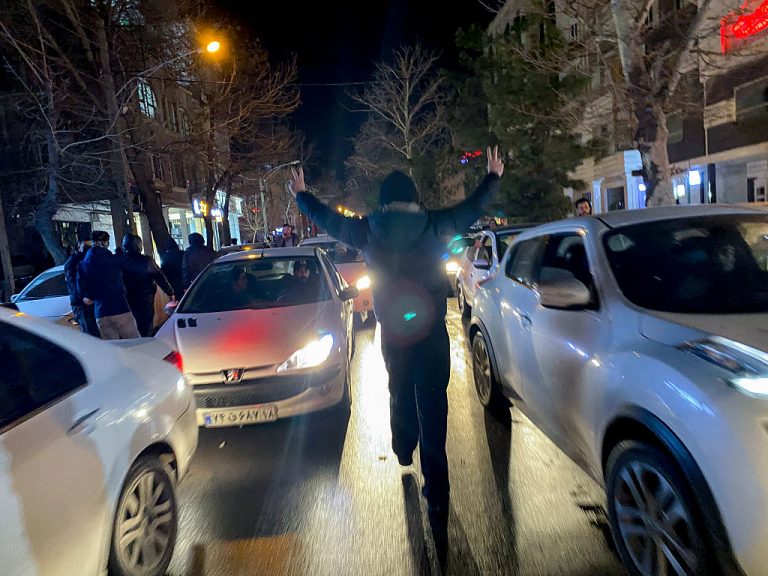
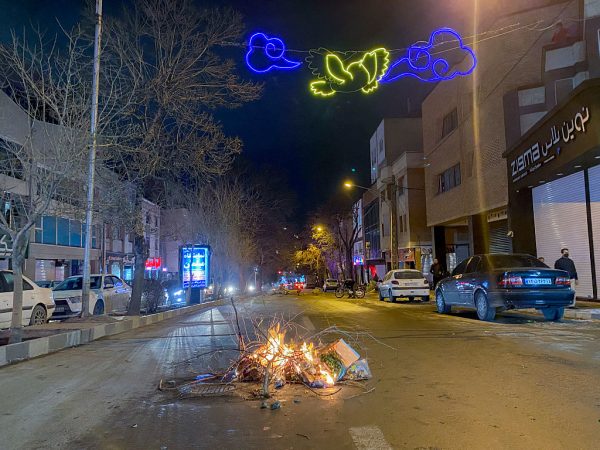
The protests were widely described online as rooted in economic despair. Reports indicated that demonstrations first broke out in mobile phone markets in central Tehran before rapidly expanding to major cities nationwide. Merchants, students, workers, and other social groups joined what many characterized as an unprecedented wave of anti-government protests.
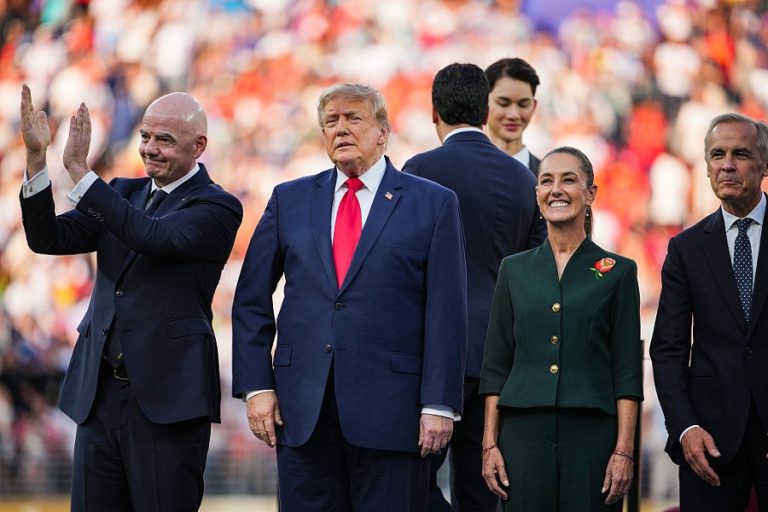
As public anger intensified, clashes reportedly escalated. Online accounts claimed that security forces opened fire, resulting in casualties and further fueling resistance. Protesters were said to have taken control of dozens of cities. On Jan.1, 2026, U.S. President Donald Trump publicly warned that if Iranian authorities used live ammunition against civilians, the United States would step in to support the people.
Success
You are now signed up for our newsletter
Success
Check your email to complete sign up
Online reaction in China
News of the unrest, along with Trump’s statement, quickly gained traction on Douyin, China’s leading short-video platform. Comment sections filled with messages cheering on Iranian protesters and condemning Iran’s ruling establishment.
The tone of these responses was notably consistent. Rather than the mix of caution and nationalism often seen in discussions of foreign unrest, many users openly sided with those confronting authority in the streets. Some called for the removal of Iran’s clerical leadership and a return to what they described as Persia’s historical dignity. Others focused on themes of opposing privilege and standing with ordinary people.
Taken together, the comments reflected not just sympathy, but a deeper emotional alignment with the protesters’ cause.
Broader parallels drawn by netizens
A number of users placed Iran’s unrest within a wider international context. Some speculated that similar upheavals could follow elsewhere, naming Venezuela, Belarus, Russia, and North Korea as potential next flashpoints. Others pointed to past examples in which regimes long portrayed as strong collapsed quickly once economic pressure reached a breaking point.
Warnings against “standing against the people” appeared repeatedly, alongside assertions that struggles for freedom rarely remain confined to one country.
More personal reflections also surfaced. Some users described rulers as primarily concerned with preserving privilege and absolute power, indifferent to the lives of ordinary citizens. Others framed resistance as a necessity rather than a choice, arguing that sacrifice was justified to spare future generations from living under oppression.
Similar sentiments appeared on X, where Chinese-language users spoke more directly. Several posts argued that Iran’s situation offered a cautionary lesson for Beijing, asserting that economic collapse posed the greatest threat to authoritarian systems.
Others drew explicit comparisons between Iran’s leadership and the Chinese Communist Party, portraying the latter as even more repressive. A smaller number of posts employed extreme moral or religious language, calling for the eventual downfall of dictators.
Commentary and interpretation
Beyond spontaneous online reactions, broader political interpretations also circulated. Some commentary argued that Iran’s unrest carried implications for China itself, suggesting that lasting relief from public suffering would require fundamental political change.
Vision Times republished a commentary article by Yan Chungkong that grouped China, Russia, North Korea, and Iran as authoritarian states facing mounting economic pressure. According to the article, all four maintain restrictive political systems, limit genuine market mechanisms, and constrain freedom of thought and action, placing them in opposition to democratic societies.
Within that framework, the Iranian protests were described as indicative rather than isolated. The commentary suggested that China, Russia, and North Korea each face the possibility of similar unrest, though under different conditions and timelines.
Turning to China, the article criticized policies pursued under Xi Jinping, describing both domestic and foreign strategies as increasingly unsustainable. It cited large-scale overseas spending, strained relations with Western nations, widening inequality, and a deepening economic impasse at home. Compared with Russia and North Korea, the commentary argued, China’s political crisis is more immediate and severe.
The piece concluded that meaningful change would come only with broader public awakening. Recent online discussions and private conversations, it noted, suggest that such awareness has become more visible than in the past, reflecting a growing distance between the ruling party and the population.