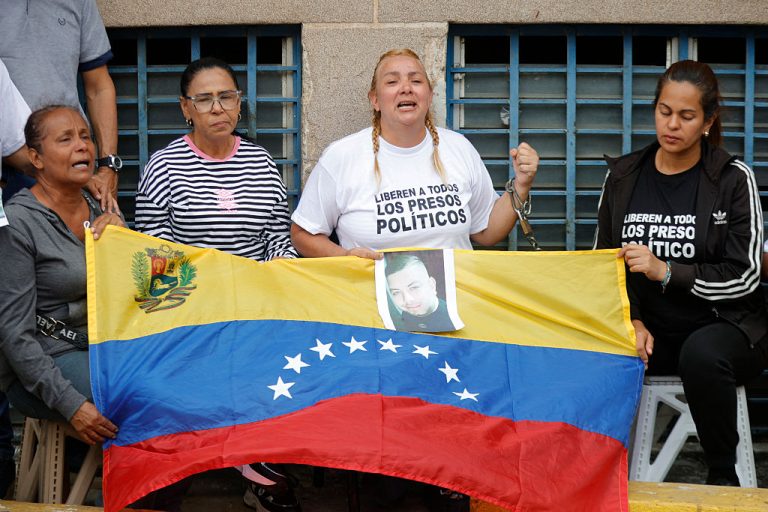
Since the capture of Venezuelan President Nicolas Maduro by U.S. forces, hundreds of Venezuelan prisoners are being set free, officials and activists said. However, families still wait for more loved ones to be released, claiming they are “political prisoners” under Maduro’s regime.
According to the rights group Foro Penal — which speaks for Venezuelan prisoners — authorities released at least 104 prisoners on Jan. 25, with the number expected to increase.
Among those released was one of Foro Penal’s lawyers, Kennedy Tejeda, who was last seen on Aug. 2, 2024, after he tried to give legal assistance to prisoners in a detention center in Carabobo state.
“Our dear comrade Kennedy Tejeda, lawyer, human rights defender, political prisoner in Tocoron since August 2, 2024, has been released from prison. Now back home with his family,” the NGO’s executive director, Alfredo Romero, said in a statement.
“We continue verifying other releases,” Romero added. “It would be ideal for the government to publish lists of releases.”
Success
You are now signed up for our newsletter
Success
Check your email to complete sign up
Many of the hundreds of prisoners were detained for opposing Maduro’s refusal to step down from the 2024 presidential election. With Maduro in custody, Venezuela’s acting President Delcy Rodriguez vowed to release more prisoners as a “new political moment” to promote “greater political and ideological diversity,” al-Jazeera wrote.
“The decision to release some prisoners, not political prisoners, but some politicians who had broken the law and violated the Constitution, people who called for invasion, was granted,” Rodriguez told parliament.
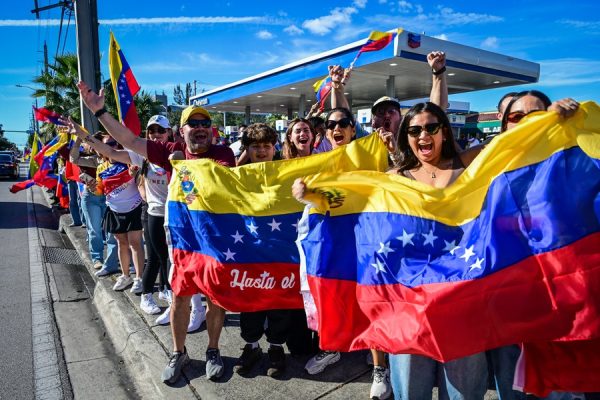
Families waiting
Many families are still gathering outside prisons to demand more releases.
Venezuelan mother Francis Quinones said, for six months, she had not talked to her son, who has been jailed for more than five years, the Independent wrote.
“He we are waiting… Every day, we’re out here outside the Helicoide,” Quinones said. “[The government] is killing us psychologically.”
Former officer Edilson Torres had died of a heart attack on Jan. 10 while in prison, just as his heartbroken family was told of the government’s plan to release prisoners. He had been “held incommunicado” since his capture in December, as reported by AP News.
“My little brother, my little brother,” Emelyn Torres, Francis’ sister, cried during his funeral on Jan. 13. Their grandmother had nearly fainted as people gathered to say their goodbyes.
After his death, Venezuela’s Attorney General Tarek William Saab said in a statement that a terrorism unit was responsible for his case, which “was linked to criminal activities detected by state security agencies.
Opposition figure Juan Pablo Guanipa is still in prison among other key figures. His son Ramon said he had seen him only once, for 20 minutes, since “anti-subversion” agents apprehended him last May. He was charged with “terrorism, treason and conspiring with a foreign government.”
“The first thing he said to me was that he wouldn’t bow down to these people, not even behind bars,” Ramon said.
READ MORE:
- Trump Threatens 100% Tariffs if Canada Advances China Trade Deal
- Trump Says US Raid in Venezuela Captured Maduro Using Secret ‘Discombobulator’ Weapon
- TikTok Strikes US Deal, Majority Ownership Moves to American Investors
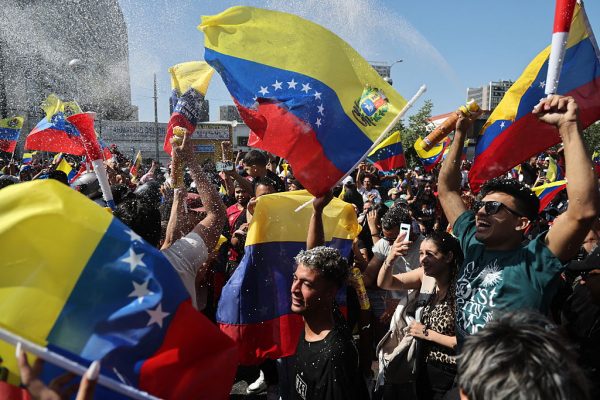
Troubles still ahead
So far, the government claimed that more than 600 prisoners had been released since Maduro was removed, including Rafael Tudares Bracho, son-in-law of Venezuela’s opposition leader Edmundo Gonzalez.
However, several rights groups and many families believe the figures are exaggerated, with Foro Penal stating that only around 250 prisoners had been freed as of Jan. 26, with more than 600 prisoners still behind bars.
Orlando Moreno, a human rights activist in hiding, believed that the releases were made to “reduce international pressure,” the Guardian wrote.
“There hasn’t been a true liberation of prisoners. There have been some releases,” he said.
Moreno also said that new prisoners were being “kidnapped”, even after Maduro’s capture.
“While some are going out the front door, others are coming in through the back,” Moreno added.