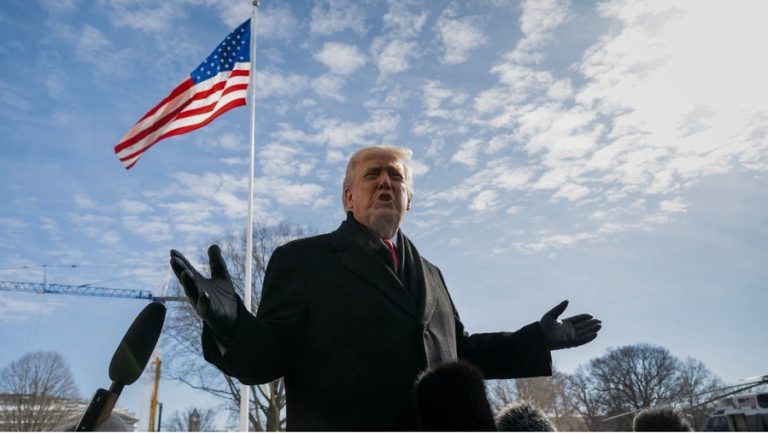
According to Fox News and Axios, U.S. President Donald Trump said on Wednesday, Jan. 28 that the United States has deployed a large naval force to the Middle East and urged Iran to return to the negotiating table as soon as possible. Trump confirmed that the Nimitz-class nuclear-powered aircraft carrier USS Abraham Lincoln and its strike group are heading to the region to strengthen military deterrence against Iran.
Posting on the platform Truth Social, Trump said the fleet is “moving swiftly and with a clear purpose,” and is larger than the naval force previously deployed to Venezuela. He warned that if Iran refuses to reach an agreement, the United States will retain the option of taking further military action.
“I hope Iran can quickly reach a fair deal and stop developing nuclear weapons,” Trump wrote. “Time is running out.”
He added that if Iran continues to reject negotiations, the consequences could be more severe than ever before.
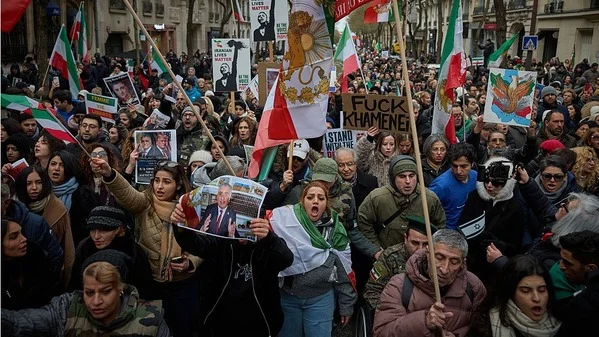
Washington says Iran is willing to engage, but conditions remain disputed
In an interview with Axios this week, Trump said Iran has recently made repeated contacts with the United States through non-public channels, expressing a desire to open talks. “They want to negotiate—I know that very clearly,” he said.
Success
You are now signed up for our newsletter
Success
Check your email to complete sign up
However, U.S. officials familiar with the matter noted that Washington’s preconditions for negotiations remain tough, including demands that Iran completely halt uranium enrichment, restrict its long-range missile program, and stop supporting regional proxy forces. These conditions have not yet been accepted by Tehran.
Meanwhile, the United States continues to strengthen its military posture in the Middle East. In addition to the carrier strike group, U.S. forces have deployed fighter jets, air-defense systems, and electronic warfare assets to the region. The Pentagon said the moves are intended to ensure that the United States and its allies have defensive and counterstrike capabilities should the situation escalate.
British private security firm Ambrey assessed that the U.S. currently has the capability to conduct military action against Iran while still being able to respond to potential retaliation.
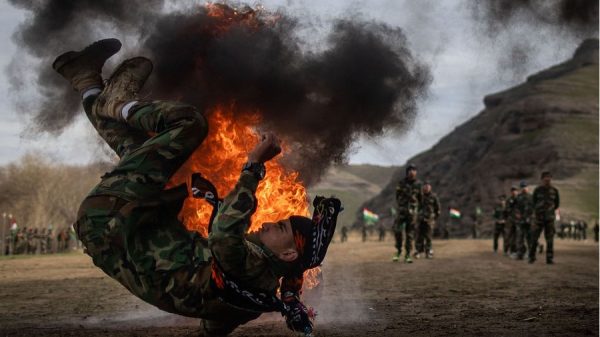
Regional tensions rise as all sides cautiously brace for possible escalation
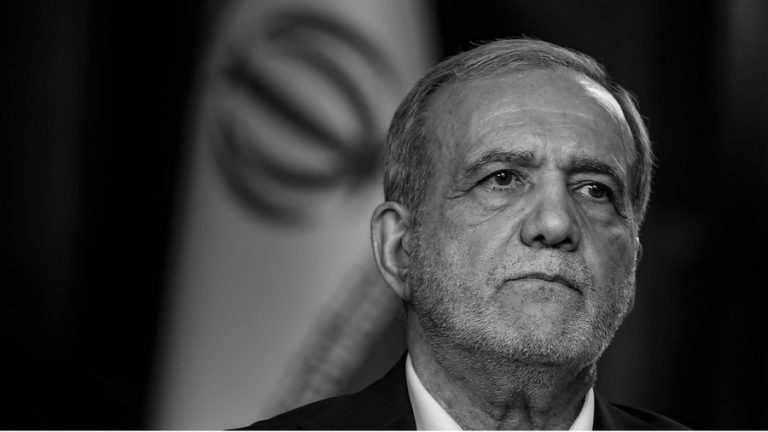
Iran responded strongly to Washington’s statements. Iranian officials warned that any military strike against Iran would be regarded as “full-scale war.” Figures aligned with Supreme Leader Ayatollah Ali Khamenei emphasized that Iran would respond to any violation of its sovereignty.
At the regional level, several countries are seeking to avoid being drawn into a potential conflict. Saudi Arabia and the United Arab Emirates have stated they will not allow their airspace to be used for military action against Iran. Qatar, meanwhile, has maintained communication with both Washington and Tehran in an effort to ease tensions.
At the same time, Iran’s domestic situation remains volatile. Multiple international media outlets, citing human rights groups and Iran’s health system, report that nationwide protests that erupted late last year have resulted in significant casualties, though exact figures are difficult to verify. The Iranian government has denied the higher death toll estimates, saying security forces were responding to “violent unrest.”
Analysts note that the U.S. and Iran are currently locked in a phase of “high pressure but controlled” confrontation. While military deployments continue to intensify, diplomatic channels have not been completely closed, and whether a conflict breaks out will depend on political decisions made in the coming weeks.