On Feb. 2, Chinese authorities executed four individuals linked to a Myanmar-based operation center. They were convicted alongside others for the deaths of six Chinese nationals and involvement in scam and gambling schemes totaling over $4 billion.
Their executions were announced by the Shenzhen Intermediate People’s Court in southern China. They join 11 other members who were put to death the week before.
The executed were charged with “intentional homicide, intentional injury, unlawful detention, fraud and casino establishment,” a report by the court said. Among them were members of the “Ming family criminal group,” which conducted scam activities across the Chinese border.
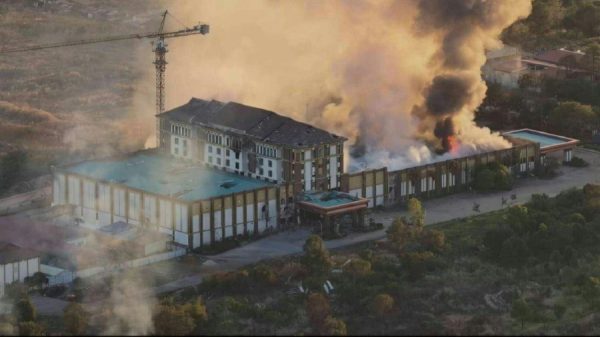
Scam centers have been set up in Myanmar’s Kokang region, close to the country’s border with China. There, they allegedly ran gambling and telecom scam operations including kidnapping, extortion, forced prostitution and drug production and smuggling.
The court has found that the operations have earned the group more than 29 billion Chinese yuan ($4.2 billion) and led to the deaths of six Chinese citizens. These crimes “were exceptionally heinous, with particularly serious circumstances and consequences, posing a tremendous threat to society,” the court later stated.
Success
You are now signed up for our newsletter
Success
Check your email to complete sign up
According to state-run news outlet Xinhua, relatives of the accused “were allowed to meet with them before their execution.”
Last November, five leading figures of the “Bai family criminal group” were also sentenced to death for their scam and casino operations. One of them, group leader Bai Suocheng, died of illness before he could be executed.
READ MORE:
- Six Years After Li Wenliang’s Death, Overseas Chinese Rally in New York for CCP Accountability
- Jimmy Lai’s Sentencing Is Designed to End Hong Kong’s Press Freedom—for Good
- Shanghai in Decline: Empty Streets, Vanishing Consumers, and Dwindling Traffic
Borderline scam operation
The execution of the operators is part of Beijing’s wider crackdown on scam centers in Southeast Asia, with authorities hunting down industrial parks used for global operations. Aside from Myanmar, Cambodia and Laos are also primary areas where scam centers operate.
Transnational crime syndicates have been running and expanding facilities in Myanmar for years, especially after the country fell under the control of the military junta in 2021 when centers more than doubled across the Thai-Myanmar border. It is also believed that armed groups in Myanmar have also colluded with these syndicates to profit out of the chaos from the civil war.
The United Nations (UN) Office on Drugs and Crime estimates that this industry is worth around $4 billion every year.
Victims from around the world, mainly of Chinese origin, are often coaxed into “romance-based investment scams” and are tricked into becoming trafficked workers, forced to carry out the schemes and generate tons of profits, the Guardian wrote.
Any failure to perform results in heinous torture and punishments by the center’s bosses. One rescued worker, a Filipino national simply named Mateo to protect his identity, told the Guardian that they would use a stun gun or leave workers outside in the hot sun should they fail to reach their goals. They were never allowed to leave the compound, KK Park — one of the more infamous centers on the Thai-Myanmar border.
The junta itself has been accused of being complacent in these cases, and have been called on by nations like China, the U.S. and others into acting against them. It promised a crackdown over the previous year after pressure from China, experts said.
The government raided KK Park in October, arresting more than 2,000 people. Some of these raids, however, have been claimed as propaganda stunts to appease Beijing, monitors said.
Cooperating with other countries, Beijing had summoned thousands of people back home to face trial.