By Chen Jing, Vision Times
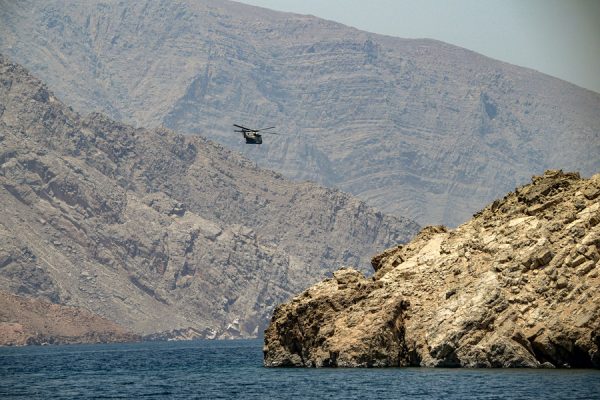
As tensions escalate in the Middle East following joint U.S.–Israeli strikes on Iran, Tehran has retaliated by effectively restricting traffic through the Strait of Hormuz, a strategic waterway that carries roughly 20 percent of the world’s oil supply. The disruption has driven international oil prices above $100 per barrel, raising fears of a global energy shock. Iran has warned that prices will rise to $200 per barrel.
For countries heavily dependent on Middle Eastern oil, the crisis presents an immediate economic challenge. Analysts say the polar opposite responses of Japan compared to the Chinese Communist Party (CCP) highlight the massively different approaches to energy security and crisis management.
RELATED:
- US and Israeli Strikes Raise Specter of Longer War on Iran
- China Raises Fuel Prices as Global Oil Surge Triggers Long Lines at Gas Stations
Japan stabilizes fuel prices
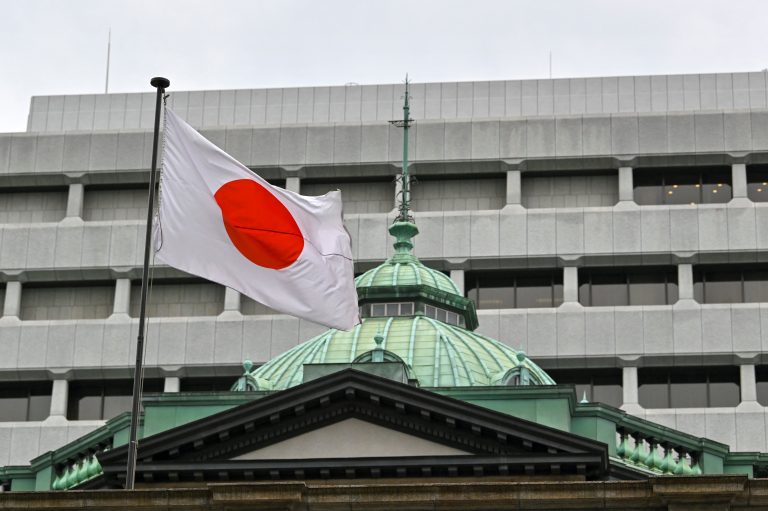
Japan, one of the world’s most energy-import dependent nations, moved quickly to cushion the impact on households and businesses. According to Japanese media reports, Prime Minister Sanae Takaichi announced emergency measures on March 11 aimed at preventing domestic fuel prices from spiraling out of control.
Success
You are now signed up for our newsletter
Success
Check your email to complete sign up
Takaichi warned that without government intervention, gasoline prices in Japan could exceed 200 yen per liter (about $1.34), a historic high that could ripple through transportation, manufacturing, and consumer prices.
She pledged to keep the national average gasoline price around 170 yen per liter, slightly below the 178 yen average recorded before she took office. To achieve this goal, the government instructed Economy, Trade and Industry Minister Ryozo Akazawa to deploy a 280 billion yen fuel subsidy fund starting March 19.
Under the program, the government will subsidize oil wholesalers for any fuel costs exceeding the 170-yen benchmark. The subsidy program will also extend to diesel, heavy oil, and kerosene, fuels that are critical to industry and winter heating.
Strategic reserves deployed
Japan has also moved to strengthen supply stability by tapping its strategic petroleum reserves. Because Japan relies heavily on Middle Eastern oil imports, any disruption in the Strait of Hormuz poses a severe threat to its energy security.
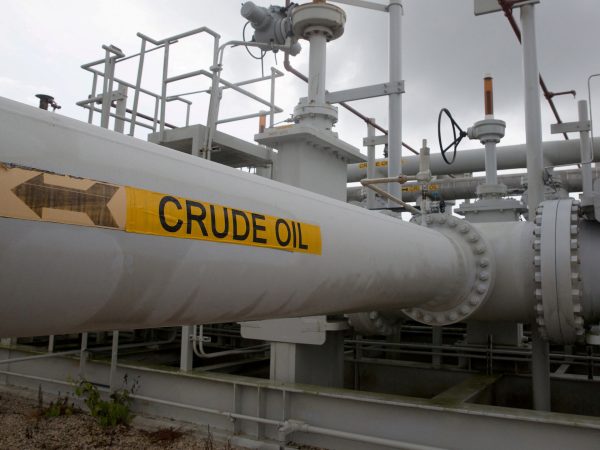
Takaichi warned that Japan’s crude imports could drop sharply later this month if shipping disruptions persist. In response, Japan announced plans to release emergency oil reserves as early as March 16. The government will initially release 15 days of private-sector reserves, with the option of releasing an additional month of national strategic reserves if needed.
The move positions Japan as one of the first countries to act before a coordinated international release of oil reserves is formally decided.
China raises prices
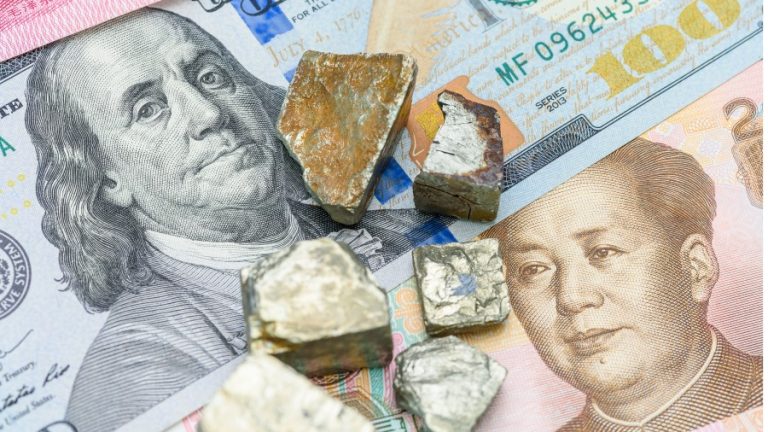
China, the world’s largest oil importer and another country heavily reliant on Middle Eastern crude, has taken a markedly different approach. On March 9, China’s National Development and Reform Commission (NDRC) announced a nationwide increase in fuel prices.
Under the adjustment, gasoline and diesel prices rose by 695 yuan and 670 yuan per ton respectively, pushing the retail price of 92-octane gasoline up by about 0.55 yuan per liter.
Officials attributed the increase to surging international oil prices. However, analysts say the move places the burden of rising costs directly on consumers. China’s state-controlled oil sector, which is dominated by the three major national oil companies, has long been criticized for passing price increases to consumers quickly during global price spikes while maintaining profit protections when prices fall.
For households and businesses, the price increase means filling a standard fuel tank now costs about 30 yuan more, while transportation and logistics costs across the economy are likely to rise.
Limited diplomatic response
The crisis also carries geopolitical implications. Iran, whose actions in the Strait of Hormuz triggered the latest disruption, has long been viewed as one of Beijing’s key partners in the Middle East. In recent years China has purchased large quantities of discounted Iranian crude oil, often transported through so-called “shadow fleet” tankers to bypass international sanctions.
Some estimates suggest China has absorbed more than 80 percent of Iran’s seaborne oil exports. But the current blockade has created a paradox: Iran’s retaliation is now disrupting shipping routes that China itself depends upon.
China’s official diplomatic response has remained cautious. At a routine press briefing, Foreign Ministry spokesman Guo Jiakun said only that “ensuring stable energy supplies is the shared responsibility of all parties,” adding that China would “take necessary measures.”
No specific policy actions or supply strategies were announced. By comparison, Western governments have begun discussing possible naval escorts and war-risk insurance measures to keep oil shipments moving through the Persian Gulf.
Propaganda vs. economic reality
While fuel prices are rising and shipping disruptions loom, Chinese state media have sought to reassure the public. On March 11, outlets affiliated with state oil companies published commentaries arguing that China’s energy supply remains resilient thanks to strategic reserves and the rapid growth of renewable energy.
Some experts cited the increasing penetration of electric vehicles and renewable electricity as evidence that China’s dependence on fossil fuels is declining. Critics argue that such claims overlook the continued reliance of heavy industry, shipping, and petrochemicals on oil-based fuels.
They also note that renewable energy cannot immediately replace diesel for freight transport or crude oil as a feedstock for industrial production. The Strait of Hormuz crisis illustrates how energy shocks can test government policy. Japan has chosen to stabilize prices through subsidies and emergency reserves aimed at protecting consumers.
China, on the other hand, has allowed domestic prices to rise in line with international markets while offering public reassurances about long-term energy resilience.