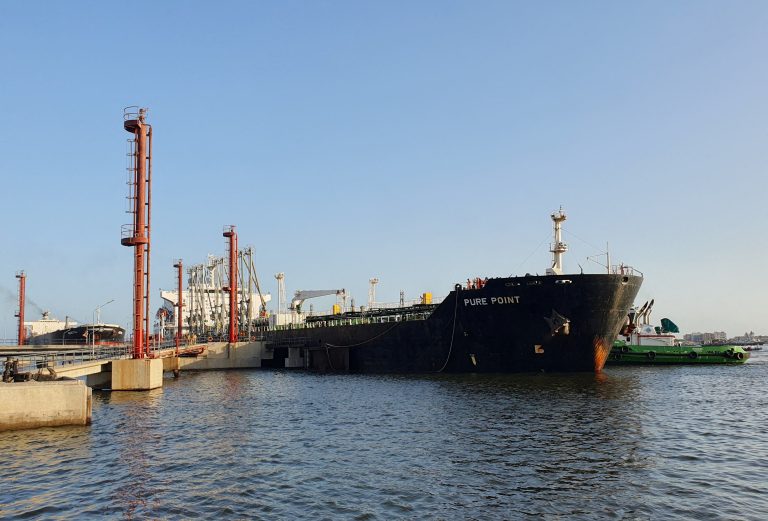
Russia and Myanmar (also known as Burma) signed a memorandum of understanding April 18 to strengthen cooperation in the electricity and energy sectors, securing supplies of Russian crude oil and petroleum products for the conflict-torn Southeast Asian nation.
An analyst told Vision Times the move should be viewed in the context of the Russia–Ukraine war and its impact on the Russian economy, particularly as Moscow expands ties with the non-Western world. The agreement, he said, does not threaten U.S. interests in the region, but is rather Russia’s answer to sanctions that have greatly strained .
“Due to its invasion of Ukraine, Russia has been sanctioned by Western countries. It is only natural that Russia will develop close ties with countries in the non-Western world, including countries like Vietnam and Myanmar in Southeast Asia,” Prof. Zhiqun Zhu, professor of political science and international relations at Bucknell University, told Vision Times in an email.
“When the door to the West is closed, Russia has to open other doors” he added.
- Japan Lifts Arms Export Restrictions in Major Post-WWII Policy Shift
- US Unveils High-tech Manufacturing Zone in Philippines Under Pax Silica to Secure AI Supply Chains
- India’s Yuan Payment for Iranian Oil Highlights Pragmatism, BRICS Push for Dollar Alternatives, Experts Say
The agreement was signed between Myanmar’s Ministry of Electricity and Energy and Russia’s RC Investments in the presence of Union Minister U Ko Ko Lwin during a delegation visit to Moscow beginning April 16. A separate agreement on economic and technical cooperation was signed the same day.
Strategic interests and Southeast Asian buyers
Success
You are now signed up for our newsletter
Success
Check your email to complete sign up
Amid tensions in the Strait of Hormuz caused by the ongoing Iran conflict, several Southeast Asian countries — including the Philippines, Malaysia, and Indonesia — have turned to Russian energy exports in April, highlighting concerns about energy security in the region.
According to a report published on April 22 by Russia’s Pivot to Asia, a Russian- and English-language political news portal, the Middle East crisis has heightened risks for Myanmar, which faces political instability, economic strain, and deep-rooted energy insecurity, including one of the lowest electrification rates among ASEAN members.
In this environment, Russia has positioned itself as a reliable energy supplier, Zhu said.
“To develop strong relations with non-Western countries serves Russia’s national interests,” he said.
Analysts say Russia’s growing engagement with Southeast Asia, particularly Myanmar, reflects broader geopolitical strategy beyond short-term energy cooperation.
James Shwe, an independent Myanmar political analyst, told The Straits Times that Moscow’s involvement goes beyond economic assistance.
- One Hundred Million Against the Current: Law, Power, and Survival in Communist China
- China’s Shadow Fleet, Shadow Banking, And Iran Sanctions Evasion Exposed
“It is a calculated pursuit of strategic interests by a declining arms exporter seeking to preserve market share, project power in the Indian Ocean, build an anti-Western coalition, and maintain a reliable vote at the United Nations,” he said.
Reshaping global energy flows
The Russia’s Pivot to Asia report describes Myanmar as a strategic hub lacking sufficient reserves. It highlights the importance of the Dawei deep-sea port, which provides direct access to the Indian Ocean and connects inland routes toward the Chinese border — a key factor in regional energy logistics and supply chains.
“Russia’s pivot to Asia has already reshaped global energy flows. Ports in the Russian Far East enable shipments to Southeast Asia within 10–14 days. This logistical efficiency is critical for a country like Myanmar, which lacks strategic reserves,” the report said.
Myanmar’s pipeline network linking to China’s Yunnan Province could also facilitate the re-export of Russian liquefied natural gas and oil products to neighboring countries, including Thailand and China.
However, Zhu cautioned against overstating the geopolitical significance of the agreement.
“Its interests in Asia, especially Southeast Asia, are limited. Other than energy and arms deals, Russia does not appear to have much long-term interest in Southeast Asia,” he said.
He added that the deal is unlikely to alter the broader balance of power in the region or undermine U.S. influence.
“The United States should feel confident that it will remain the most important security partner for most countries in Southeast Asia and it will continue to be a major trading partner and foreign investor for most countries in the region,” he said.