China is continuing to increase military spending even as economic growth slows and fiscal pressures intensify, highlighting the priority Beijing places on national security and technological competition.
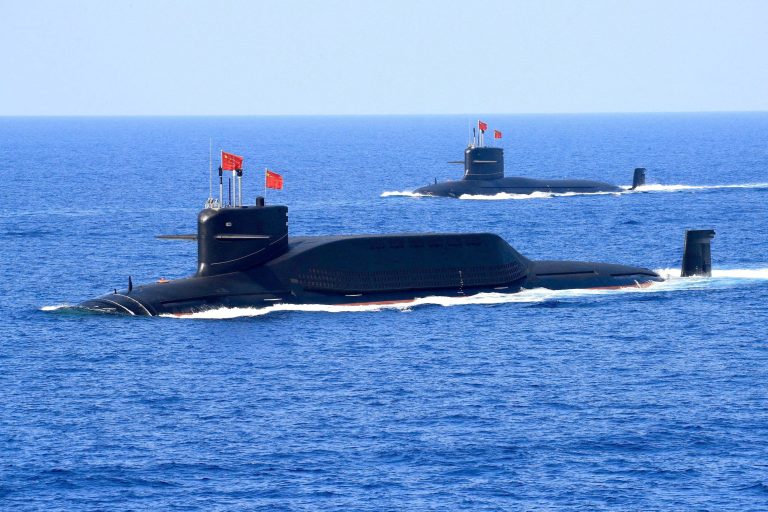
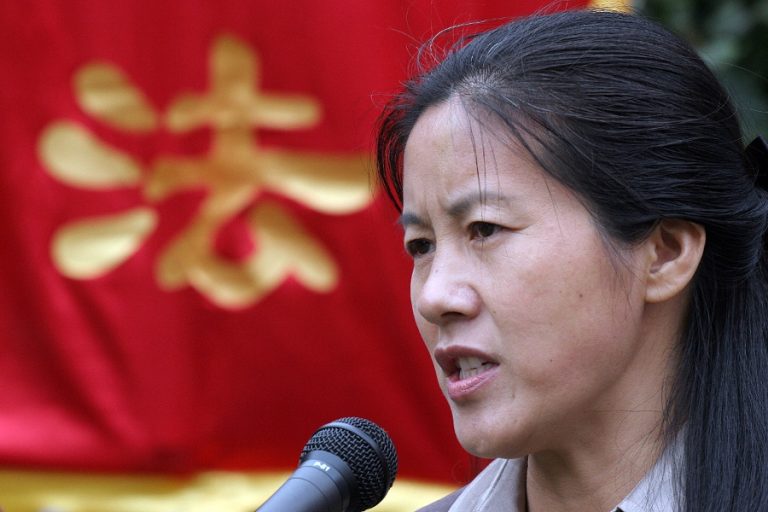
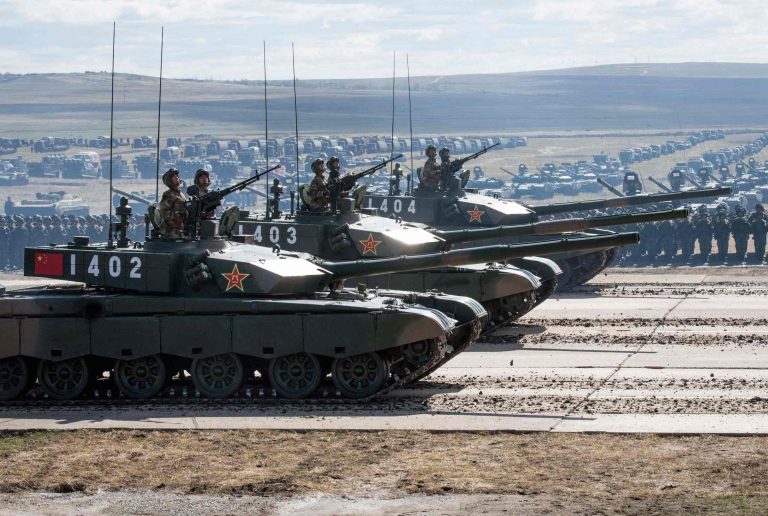
Premier Li Qiang announced in the government’s annual work report at the annual “Two Sessions” meetings in early March that China’s defense budget will grow 7 percent in 2026, reaching 1.91 trillion yuan (US$264 billion). Many observers believe China’s true military expenditures to be much higher, with procurements hidden in “civilian” spending and appearing lower due to the cheaper costs associated with Chinese production.
The increase marks the 11th consecutive year of single-digit growth, but it still significantly exceeds the country’s economic growth target of 4.5 percent to 5 percent for the year.
The continued expansion underscores the strategic importance China’s leadership places on military modernization and technological capabilities.
- Premier Li Qiang’s Work Report Signals Shift to Slower but ‘More Sustainable’ Chinese Economic Expansion
- PLA Generals Missing From ‘Two Sessions’ Meetings Highlight Extent of Xi’s Military Purge
- US Report Focuses on Core Storage Site of China’s Nuclear Warheads
In the report, Li emphasized the need to accelerate the development of “advanced combat capabilities,” reflecting Beijing’s broader focus on strengthening national security.
Success
You are now signed up for our newsletter
Success
Check your email to complete sign up
Analysts say the increase comes despite mounting fiscal challenges.
China’s government is already planning a large budget deficit and expanded borrowing to support economic growth. Yet defense spending remains largely insulated from those pressures.
‘New quality productive forces’ or further economic drain?
According to SinoInsider, a New York-based consultancy focused on Chinese elite politics, the sustained rise in military spending signals that, for the Chinese Communist Party (CCP), security priorities now outweigh short-term economic concerns.
“The rigid growth of military expenditure sends a clear signal that national security is considered the highest priority,” the firm said.
China’s defense investments are increasingly tied to advanced technology sectors. Areas such as aerospace, artificial intelligence, quantum technology and robotics are expected to play a growing role in military modernization while also supporting high-tech industrial development.
Beijing has described these sectors as part of its strategy to develop “new quality productive forces,” a term used to describe the next generation of economic drivers based on advanced manufacturing and technological innovation.
- Japan Shields Consumers While China Raises Prices Amid Hormuz Oil Crisis
- 370,000 People Leave China’s Wealthy Jiangsu–Zhejiang–Shanghai Region in 30 Days
- Slew of Controversial Proposals at China’s Two Sessions Spark Online Backlash
Heightened defense procurement is intended to help accelerate research and development in these fields while providing new markets for Chinese companies.
However, the strategy carries significant opportunity costs. SinoInsider noted that China’s military spending already accounts for roughly 44 percent of Asia’s total defense expenditures, reflecting intensifying arms buildup in the region.
At the same time, China faces growing demands for spending on pensions, healthcare and social welfare as the population ages.
That tension is creating a classic “guns versus butter” dilemma.
“If military spending remains elevated while fiscal revenues slow, the pressure on social spending will increase,” SinoInsider said.
The defense buildup is also linked to long-term military goals. China’s armed forces are preparing for the 2027 centenary of the People’s Liberation Army, a milestone that officials have repeatedly described as a key deadline for achieving major modernization targets.
Maintaining high levels of defense investment is seen as necessary to meet those objectives.
For China’s leadership, the strategy reflects a belief that economic resilience and national security are increasingly intertwined. But the approach may also make it harder for Beijing to address domestic economic challenges at a time when growth is slowing and social unrest is on the rise.