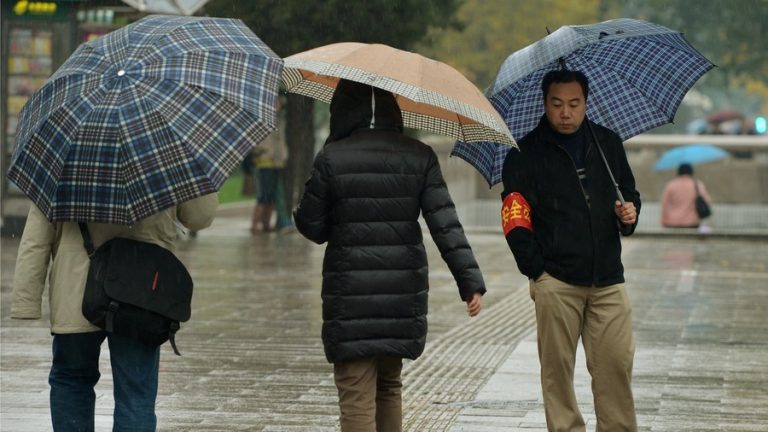
Beijing authorities have expanded security measures across the city after a tourist was found carrying gasoline into Tiananmen Square, triggering tighter inspections at major transit points and road entry checkpoints.
The incident occurred on April 12 during routine security screening at the square. According to videos circulated on Chinese social media before being removed, security personnel discovered gasoline inside a water bottle carried by a visitor. The individual was taken away, and no further official details about identity or intent have been released.
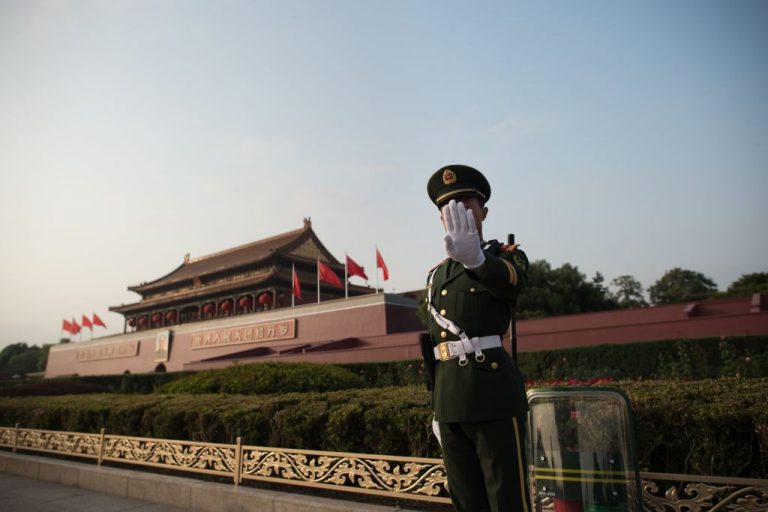
In the days that followed, access controls around Tiananmen Square were tightened. Visitors reported longer wait times for bag checks, with some estimating delays of up to two hours. Security personnel were also seen questioning individuals about items such as clothing and printed text.

Gasoline incident leads to tighter controls at Tiananmen Square
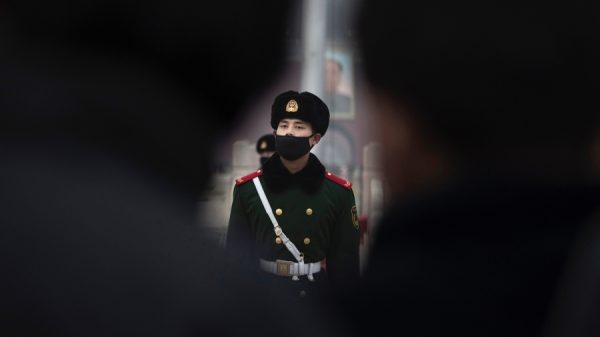
A tour guide speaking in a widely shared video on April 14 warned visitors to expect significantly stricter screening procedures. The square, located at the political center of Beijing, has long been subject to heightened security, particularly during periods of perceived risk.
Some visitors described additional questioning during entry checks. In one account shared online, a woman said security personnel stopped her to ask about writing on her clothing, which turned out to be a commercial brand logo.
Success
You are now signed up for our newsletter
Success
Check your email to complete sign up
Public reactions on Chinese social media reflected frustration with the intensified measures. Several users compared the screening process to airport-level security, while others said they would avoid visiting the square altogether.
Entry permit system draws attention as controls expand
At the same time, attention turned to traffic restrictions affecting entry into Beijing. Videos circulating online showed drivers presenting temporary permits required to enter certain parts of the city.
One document displayed in a widely shared clip indicated a six-day validity period and limited access to areas outside the Sixth Ring Road, Beijing’s outermost beltway. Travel within inner districts appeared to be more tightly controlled.
According to publicly available regulations, the permit system requires applicants to submit personal information, including the identities of passengers and the purpose of travel. Some permits allow limited entry into inner zones for a restricted number of days per year.
Online commentary highlighted the contrast between these requirements and entry procedures for foreign visitors, who can travel to Beijing using standard visa documentation without additional local permits.
READ MORE:
- China’s Military Sells Promotions, Beats Recruits, and Cannot Fight a War, Former Insider Reveals
- How the CCP’s Plan to Prevent a Second Cultural Revolution Produced Xi Jinping
- Communism: The Ideology That Turns Envy Into a Political Weapon
Subway ID checks and broader security enforcement
Security measures have also extended to Beijing’s subway system. Videos showed passengers lining up at station entrances as police conducted identity checks using government-issued ID cards.
Commuters described longer travel times and repeated inspections across multiple stations. Footage from city entry points indicated that both vehicles and pedestrians were subject to verification checks.
Internet controls appeared to tighten as well. Users reported disruptions to virtual private network (VPN) connections, which are commonly used to access blocked foreign websites. China’s internet censorship system, often referred to as the “Great Firewall,” restricts access to many international platforms, and VPN services are periodically targeted during periods of heightened security.
Online discussion links measures to broader concerns
Before being removed by censors, online discussions linked the expanded security measures to recent incidents in Beijing’s outskirts, including reports of a poisoning case in Fangshan district and large public gatherings that drew official attention.
Some commenters suggested that the intensified controls reflected broader concerns about stability and public safety. Others speculated about the role of leadership security considerations, though such claims remain unverified.