Amid ongoing U.S. and Israeli military operations against Iran, maritime tensions around the Strait of Hormuz are rapidly escalating. The United States has intensified interceptions of Iranian oil tankers, while Iran is attempting to counter the blockade by imposing “transit fees” and other measures, significantly increasing risks to global energy supply and shipping security.
According to Reuters on April 22, citing shipping and security sources, U.S. forces have recently intercepted at least three Iranian-flagged oil tankers in Asian waters and forced them to change course. These vessels were located near India, Malaysia, and Sri Lanka. At the same time, U.S. operations have expanded into broader areas of the Indian Ocean, aiming to carry out interceptions in open waters farther from the Strait of Hormuz to reduce risks such as naval mines.
Intercepted vessels include the VLCC Deep Sea, the Sevin, and the Dorena, which was carrying approximately 2 million barrels of crude oil. After attempting to break through the blockade, the Dorena is now being escorted and monitored by a U.S. Navy destroyer. Reports also suggest that the tanker Derya may have been intercepted after failing to unload cargo in India due to the expiration of a U.S. sanctions waiver on Iranian oil purchases.
U.S. Central Command stated that since the blockade began, 29 vessels have been forced to turn back or return to port. However, the military has not released a full list of intercepted ships and declined to comment on specific cases.
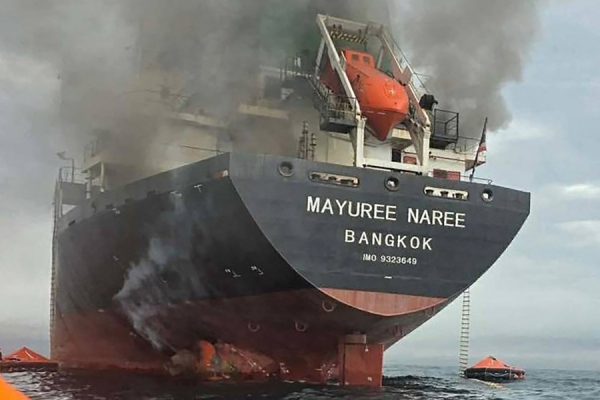
Strait of Hormuz disruptions trigger global energy volatility
As the conflict continues, tensions have intensified in the Strait of Hormuz, a critical chokepoint for global energy transport. Roughly one-fifth of the world’s oil and gas flows through this route. Any disruption immediately impacts supply chains, and global energy markets have already shown sharp volatility.
Success
You are now signed up for our newsletter
Success
Check your email to complete sign up
The report notes that nearly two months after U.S. and Israeli military action against Iran began, the situation has entered a “fragile ceasefire,” but there are no clear signs of peace talks resuming. Meanwhile, Iran has adopted more aggressive tactics, including firing on vessels attempting to pass through the strait and detaining ships to prevent them from leaving the Persian Gulf.
Iran has stepped up its response. Reuters reports that Iran detained two container ships this week attempting to exit the Strait of Hormuz—its first such action since the conflict began.
Forbes further revealed on April 23 that Iran is attempting to impose fees on vessels passing through the strait. Iranian Deputy Parliament Speaker Hamidreza Haji Babaei stated that the first funds collected under this mechanism have already been deposited into the Iranian central bank. Another lawmaker said the fees vary depending on vessel type, tonnage, and cargo.
Although details remain unclear, the Financial Times previously reported that Iran may require payments in cryptocurrency, with a suggested rate of about $1 per barrel of oil.

Washington responds firmly; blockade and sanctions intensify
In response to Iran’s actions, U.S. President Donald Trump has signaled tougher measures. He previously announced that the U.S. Navy would enforce a blockade on Iranian vessels passing through the Strait of Hormuz and warned that any ships paying “illegal transit fees” to Iran would be subject to interception.
The Pentagon confirmed in a recent statement that U.S. forces seized a stateless tanker, M/T Majestic X, in the Indian Ocean for allegedly transporting Iranian oil. The operation was carried out by U.S. Indo-Pacific Command, which emphasized that enforcement actions against vessels providing “material support” to Iran will continue worldwide.
Analysts say the escalating maritime confrontation between the U.S. and Iran is increasing the risk of miscalculation and broader conflict, while also adding significant uncertainty to global energy markets and international shipping systems.