In an age of instant-gratification and abundance, one might wonder why some 40 percent of Americans suffer from either depression or anxiety. It is a pretty paradox: we have everything we want, except peace of mind.
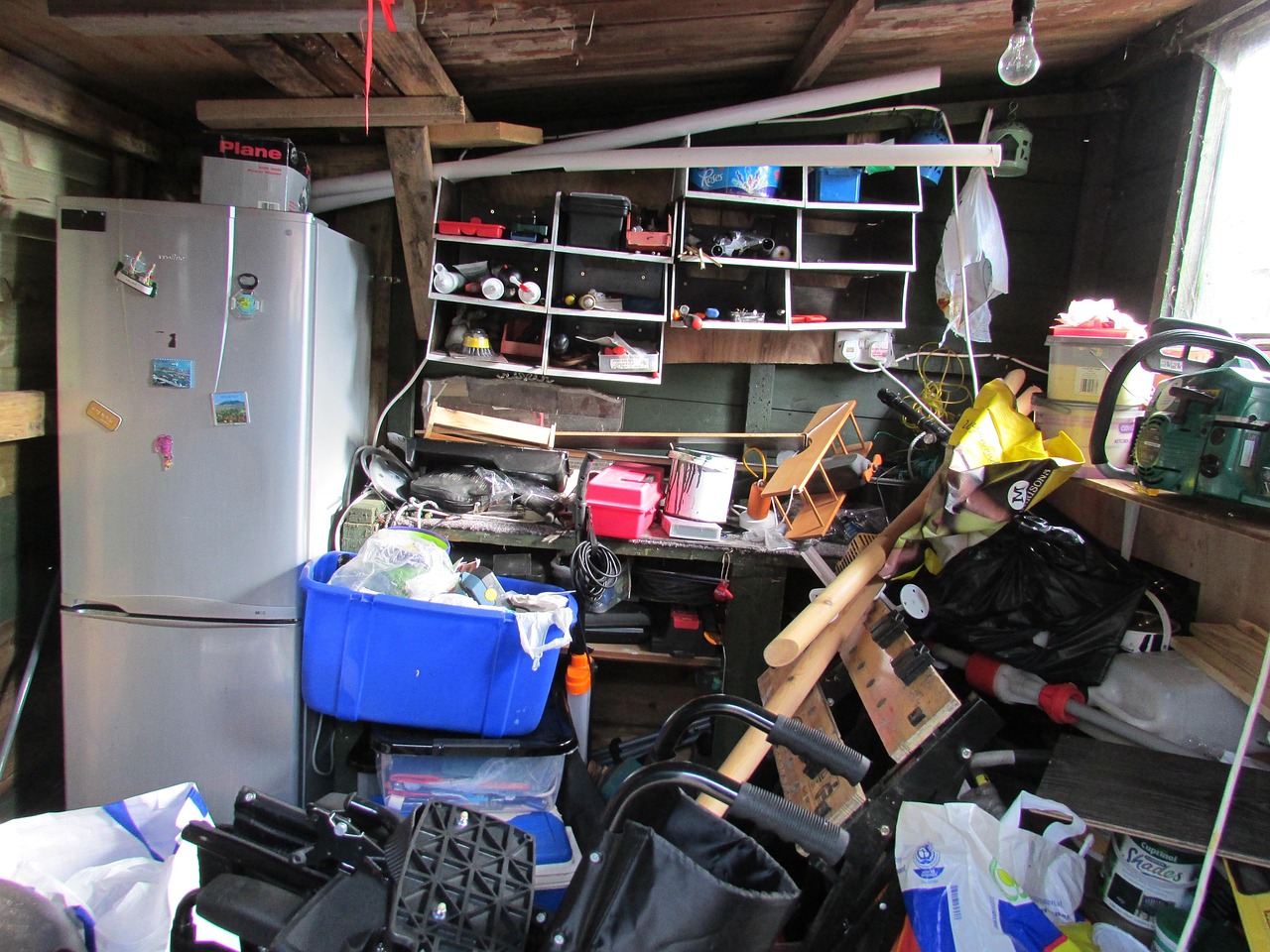
Is it possible we have too much stuff? According to the US Department of Energy, one out of four houses with two-car garages keeps so much stuff in it they can’t even fit a car in the garage.
Yes, I think that’s too much stuff. It’s no secret that physical clutter creates a mental burden that can affect your emotional and physical well-being, so why does this happen?
If you are a human being with a home, you have stuff. And if you have been living for any length of time, you have likely accumulated a lot of stuff. Yet, as we grow, we change, and most of our stuff eventually becomes irrelevant to our lives; so we buy new things.
If you are not one of the few who keeps clutter in check with regular, rigorous purging, you probably hold onto too much stuff, and it ends up cluttering your house.
Why do we keep too much stuff?
Success
You are now signed up for our newsletter
Success
Check your email to complete sign up
When we attach sentiment to our possessions, we often allow clutter to accumulate without realizing it. We find things hard to let go of for many reasons:
- We paid a lot of money for it.
- It belonged to someone dear and deceased.
- It brought us much joy in the past.
- It just needs a little work.
- It was a gift.
- We might need it in the future.
- We should use it.
- We don’t want it to go to waste.
If these sound like reasonable excuses to keep something, your reasoning may be flawed.
Stuff weighs us down. It silently torments us just by sitting there. We worry about it; we feel guilty, sad, resentful, or taxed with responsibility for it. By letting go of the excess (and most of it is excess) we can move forward with freedom and clarity.
Case in point, my Grandpa Dick met many interesting people in his work as a limo driver. He once told me about a wealthy Swedish woman that he would drive to the airport. She had recently lost all her possessions, yet she was lighthearted and cheerful as if she hadn’t a care in the world.
Now, set’s look at that list again:
- You paid a lot of money for it. So what? You’re only adding to the expense by keeping something that doesn’t work for you. If it’s truly valuable, try to sell it, or give it to someone you know who will love it.
- It belonged to someone dear and deceased. Trust me, your loved ones would rather see you leading a happy and fulfilling life than cluttering your home with their possessions. Honor their memory in your heart, not in their bric-a-brack.
- It brought us much joy in the past. Just because we loved something once doesn’t mean we need to keep it forever. Respect your own growth and development, and focus on things that fit your current self.
- It just needs a little work. Fixer-uppers are doubly troublesome. They sit there waiting for you to rescue them, all the while collecting dust and instilling guilt. If you have the time and ability to fix it, then fix it in a timely manner. If not, it is not worth keeping.
- It was a gift. Think about this; the giver surely meant for the item to enrich your life. If it doesn’t, just pass it along so it can fulfill its mission elsewhere. You can be grateful for their kind gesture without being haunted by their hideous taste.
- We might need it in the future. Then again, we might not. If you’re hanging on to something because you think a loved one is going to want it, you really ought to verify that. On the off-chance that they do, why not give it to them now?
- We should use it. Things that you picked up with good intentions don’t always work out. If you were not motivated enough to use it when you were first inspired to try it — or did, but quickly lost interest — it is unlikely you will be gripped with the urge to follow through in the future.
- We don’t want it to go to waste. While frugality is a noble pursuit, holding onto stuff that you don’t need is not the best way to reduce waste. Charities and second-hand shops welcome gently-used donations. If you’re handy or creative, broken things can often be repaired or repurposed. And then, of course, there is the landfill. The best solution to this is also the way you can keep your clutter in check moving forward:
Modify your consumer mindset

Exercise restraint
The average American spends nearly $3,000 annually on impulse-buying. That’s stuff we weren’t even shopping for in the first place! Be on guard against manipulative marketing ploys:
- Scarcity: “Only 3 left in stock!”
- Urgency: “Offer ends in 30 minutes”
- Vanity: “That looks amazing on you”
Learn to play the waiting game. A sudden interest might hold you for a week, a month, perhaps two; but if you wait long enough, even an obsession will fade. Money saved. Clutter prevented.
Make do with what you have
Instead of running out to buy everything you need for a task, or even a meal, take a look around your house and see what you already have. If you have something close, can you make it work?
Explore alternatives to retail therapy
Many people turn to shopping to relieve stress, improve mood, and reduce anxiety. While the short-term benefits can be considerable, in the long run, retail therapy is an expensive habit that drags you down. Instead:
- Take up a creative hobby.
- Enjoy a book or a movie from the library.
- Walk away from all electronic devices and have fun outdoors.
- Do some “shopping” in your own closet (you’ll probably find something you forgot you had).
Be a more discerning shopper
How often do you bring something home only to wonder, “Why did I buy this?” Make a point of evaluating each item under consideration by asking yourself:
- Is it necessary? Does it have a concrete purpose in your life? On a scale of one to ten, how useful will it be?
- Do you love everything about it, or is there some flaw that’s going to keep you from getting good use out of it?
- Does it fit your current self (style, size, interests)? Are you entertaining a fantasy self? Or is it your former self making a bid? Only the “present you” gets a vote.
- Is it worth all the time and energy you have invested to earn the money to buy it?
- What will become of it when it is no longer useful? Is it biodegradable? Recyclable? Resellable?
Challenge yourself to buy less.

Track your spending for one week to see how much money goes to non-essential items. Try to reduce that amount the following week. Eventually you can set goals like “No Buy November,” or “Just Essentials July,” to achieve one “low-buy year” after another.
Enjoy the savings by investing in truly valuable things — like education, experiences, personal growth, and healthy, organic foods — that will enrich your life in lasting ways. In other words, focus on what you can do with your money rather than what you can have.
As Chinese New Year approaches, Asians around the world are sweeping away the “dust” to make room for a new and fruitful beginning. Adopt this intentional tradition and try tackling some clutter today. With consistent effort, you can swap too much stuff for simple serenity.