In a world replete with convenient, conventional foods that emphasize bulk over nutrition, many people are seeking healthy alternatives. Oftentimes this means returning to the traditional fare of our ancestors. In the realm of produce, some forgotten favorites are actually much more nutritious (and interesting) than the standard selection available at the grocery store today.
Take salsify, or oyster plant, for example. This little-known vegetable was once a common crop in home gardens for its tasty roots and greens. Packed with important vitamins and minerals, salsify root resembles a carrot in form and a turnip in texture, while its leaves can be compared with spinach.
What is salsify?
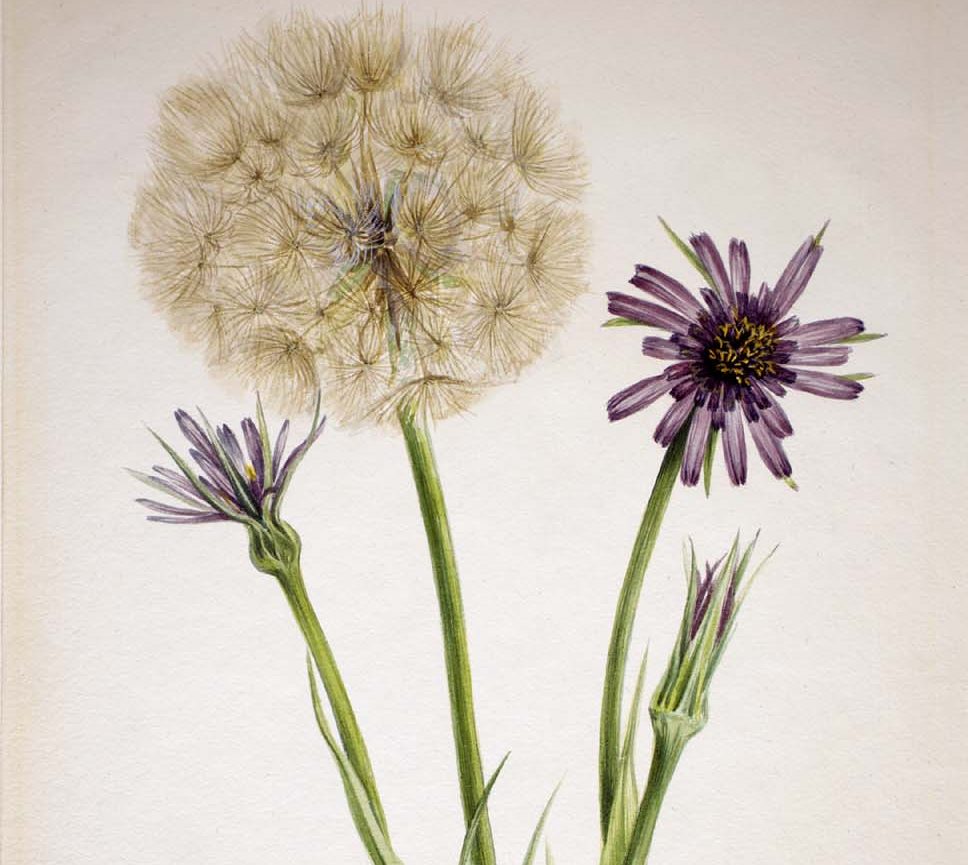
Common salsify (Tragopogon porrifolius) is a purple-flowered biennial in the Aster family. It originated in southern Europe and North Africa but has naturalized in many areas where it was introduced as both a vegetable crop and an ornamental flower.
Salsify is a tall plant with broad, lanceolate leaves that make the young plant look like a wild leek (Allium porrum), and a long, edible taproot. Flower buds resembling okra pods (also edible) form in the summer. The seed heads are almost identical to those of dandelions, and seeds are dispersed by the wind.
Ancient Greeks and Romans harvested wild salsify for food and medicine. By the 16th century it was being cultivated in France and Italy, where it is still eaten today.
Success
You are now signed up for our newsletter
Success
Check your email to complete sign up
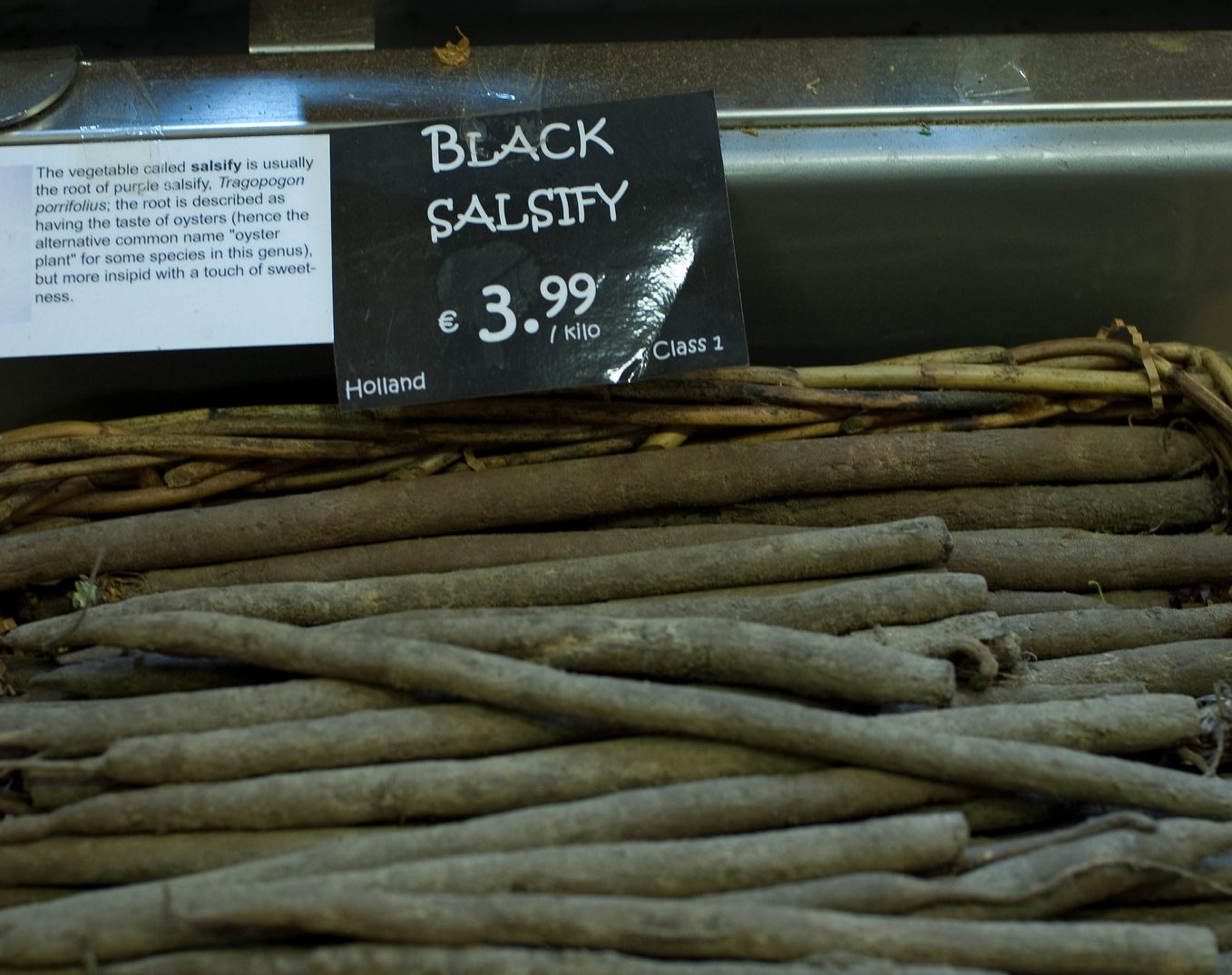
Salsify’s cousin scorzonera (Pseudopodospermum hispanicum), or black salsify, has yellow, dandelion-like flowers and black-skinned roots. Black salsify and true salsify share a similar flavor and texture. Both are highly versatile in the kitchen, but the long, thin, black roots of scorzonera have a slightly greater following today. They were once considered a remedy for snake bites.
Health benefits of salsify
Aside from its fine flavor and texture, salsify is also nutritionally satisfying. It is high in fiber and boasts a host of vitamins and flavonoids with antioxidant properties.
Like many deep-rooted vegetables, it collects important minerals — including calcium, copper, iron, magnesium, manganese, phosphorus and potassium — from the ground. These minerals promote bone strength and the integrity of our joints as we age.
A strong immune system begins with a healthy gut. Salsify contains a special starch called inulin. As a prebiotic, inulin promotes gastrointestinal health by supporting beneficial gut bacteria. Please note: Inulin can cause gas and discomfort if your digestive system is not familiar with it, so it is best to introduce it gradually.
Growing salsify

With its decrease in popularity, salsify has become harder to find. Fortunately, it is not so difficult to grow.
Like most root vegetables, salsify seeds are best sown directly in the garden. Salsify requires a long growing season, so it should be started as early as possible in the spring; or, in areas that have mild winters, it can be sown in the fall.
Salsify does well with moderate fertility, but rocky ground will cause the roots to be forked and misshapen. Prepare a deep bed of loose soil and you should get long, smooth roots.

Sow seeds about ½ inch deep in rows 18 inches apart. Salsify is slow-growing and it may take weeks for the seedlings to emerge. When they reach two inches tall, thin them to about three inches apart.
Salsify prefers moderate to cool temperatures, so when temperatures soar, shade your salsify. This will prevent the roots from becoming too fibrous. Salsify also likes regular, even moisture. Avoid allowing the plants to go thirsty, as this, too, can affect the root quality.
After about six months, your salsify should be ready to harvest. Waiting for a frost or two often sweetens the flavor. Salsify roots can reach a full foot in depth, and broken or damaged salsify does not store well. Use a spading fork to loosen the soil around the plants and exercise patience and care to keep the roots intact.
Salsify can be kept fresh in the refrigerator once it is gently cleaned and wrapped in a damp cloth. To store quantities of salsify, remove the leaves and carefully place the roots in a bucket of damp sand. Store in a root cellar or garage where it stays cold without freezing. In areas where the ground does not freeze, the roots can be harvested as needed.
Cooking with salsify

Salsify root has a pleasant earthy flavor reminiscent of artichokes, asparagus, and parsnips, along with a note from the sea that sings “oyster” to many. Naturally one would think this is why it is called “oyster plant,” but it is actually because the salsify flower opens during the day and closes up at night, like an oyster.
To prepare fresh salsify, choose sound, solid roots. Wear gloves when removing the coarse peel, as the sap can stain your hands. To avoid discoloration in your meal, place the peeled roots directly in a bowl of water with a squeeze of lemon juice. After this initial preparation, salsify is as versatile as a potato, but much more nutritious.
Salsify can be boiled, deep fried, mashed, roasted, sautéed, or steamed. Cook thoroughly to transform the tough root into tender morsels; but be careful not to overcook, as this can ruin its delicate flavor and texture.
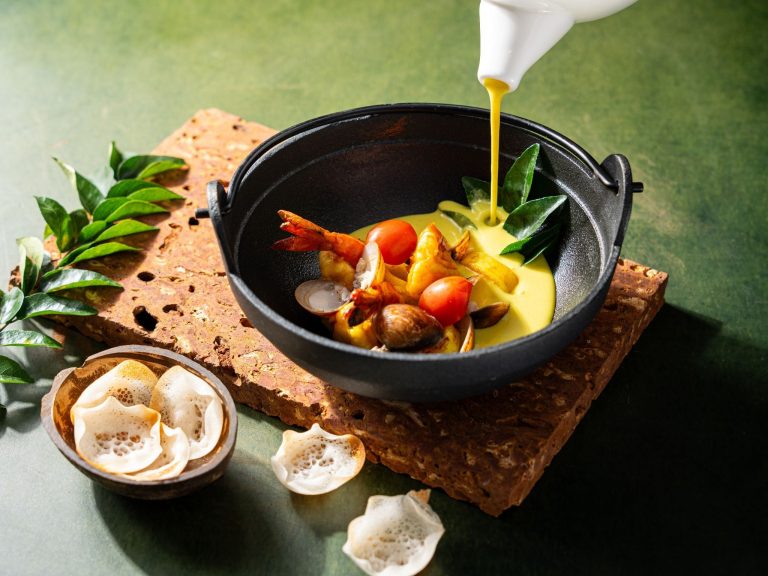
Salsify’s slightly earthy flavor can be enhanced with herbs or nuts. Its mild sweetness can be complemented with cream or balanced with lemon. For added richness, it pairs well with cheeses; and its subtle oyster flavor is supportive in seafood dishes.
The greens can be eaten raw or cooked, much like spinach. In fact, the whole plant is edible, opening the door to creativity. So go ahead, be the first person on your block to grow this retro root, and wow your neighbors with home-grown “oysters.”