CHINESE HISTORY
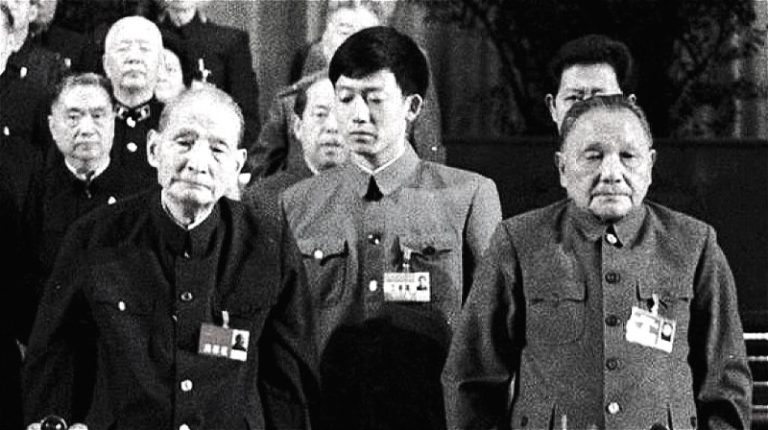
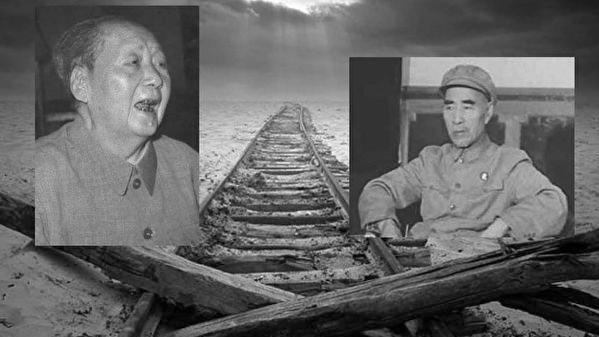
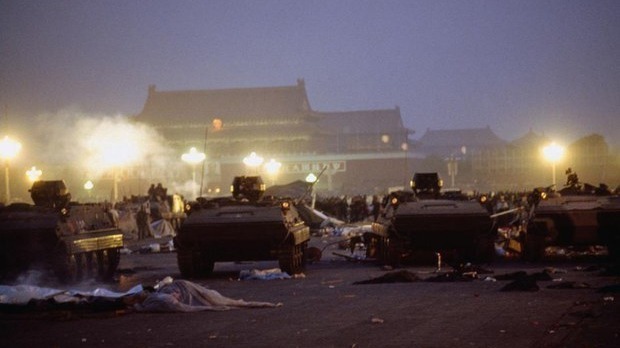
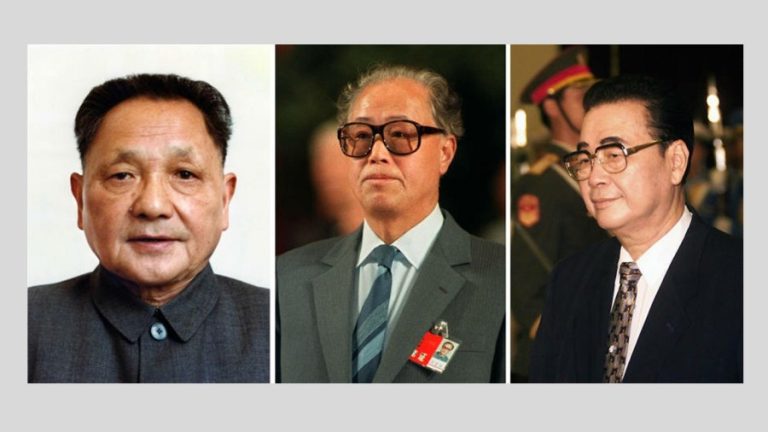
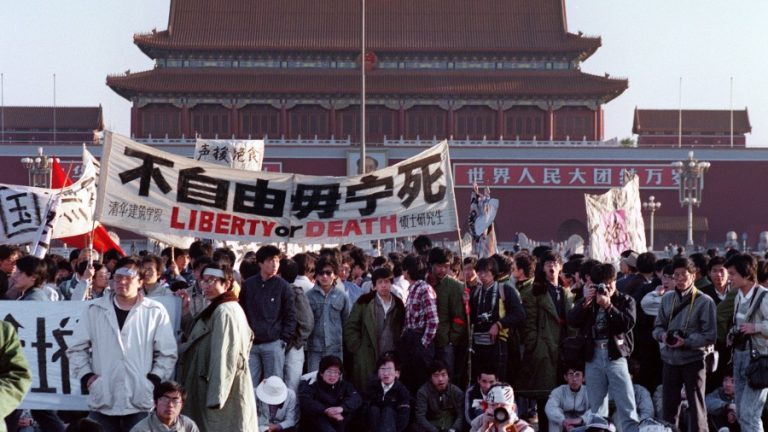
Mao’s ‘Heaven Won’t Fall’: How the CCP Was Built on Impunity
In 1942, Mao Zedong launched a campaign of mass terror inside the Party's own wartime base at Yan'an,...
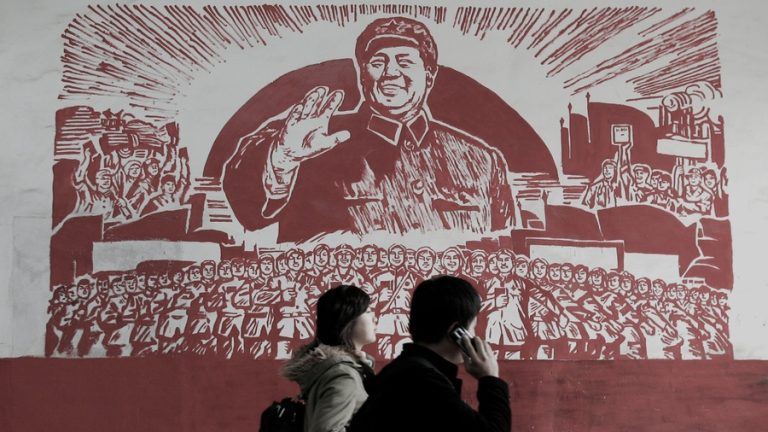
Mao Launched the Cultural Revolution to Seize Absolute Power, Not to Pursue an Ideal
Fifty years after the Cultural Revolution ended, competing theories still fight for dominance: was it...
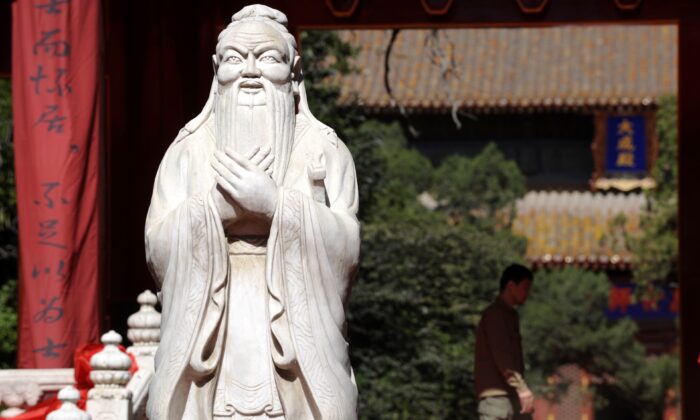
How Confucian Philosophy Helped Influence Early America’s Democracy and Ideals
By Li Qingcheng, Vision Times One unexpected topic that emerged during the high-profile visit of U.S...

How Deng Xiaoping Dismantled Mao’s Security Chief in 1978
Mao Zedong's personal security chief, Wang Dongxing, had spent thirty years as the most feared man in...

Li Jing: The Tang Dynasty General Who Chose to Retire at the Height of His Power
The Sui dynasty's collapse, foreseen but ignored In the final years of the Sui dynasty, Emperor Yang...

How the Wuchang Uprising of 1911 Mirrors the CCP’s Coming Collapse
The Wuchang Uprising of 1911 that destroyed China's last imperial dynasty was triggered by a bomb-maker's...

12 Ways the Cultural Revolution’s Lingering Shadow Continues to Haunt China
By Shun Sheng, Commentary Nearly 60 years after the launch of the Cultural Revolution, the political...

How Beijing Used Three Communiqués to Trap Washington Into Abandoning Taiwan
The three communiqués that defined US-China relations were not diplomatic milestones. They were operations...
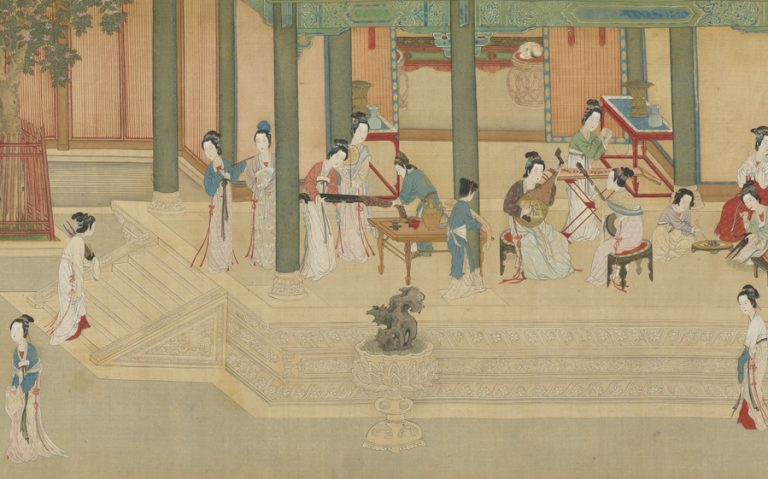
Ming Dynasty Master Qiu Ying’s ‘Spring Morning in the Han Palace’ — A Masterpiece of Chinese Court Painting
Qiu Ying: a professional painter who rose from poverty to the top of Chinese art Qiu Ying (c. 1494...